
.webp)
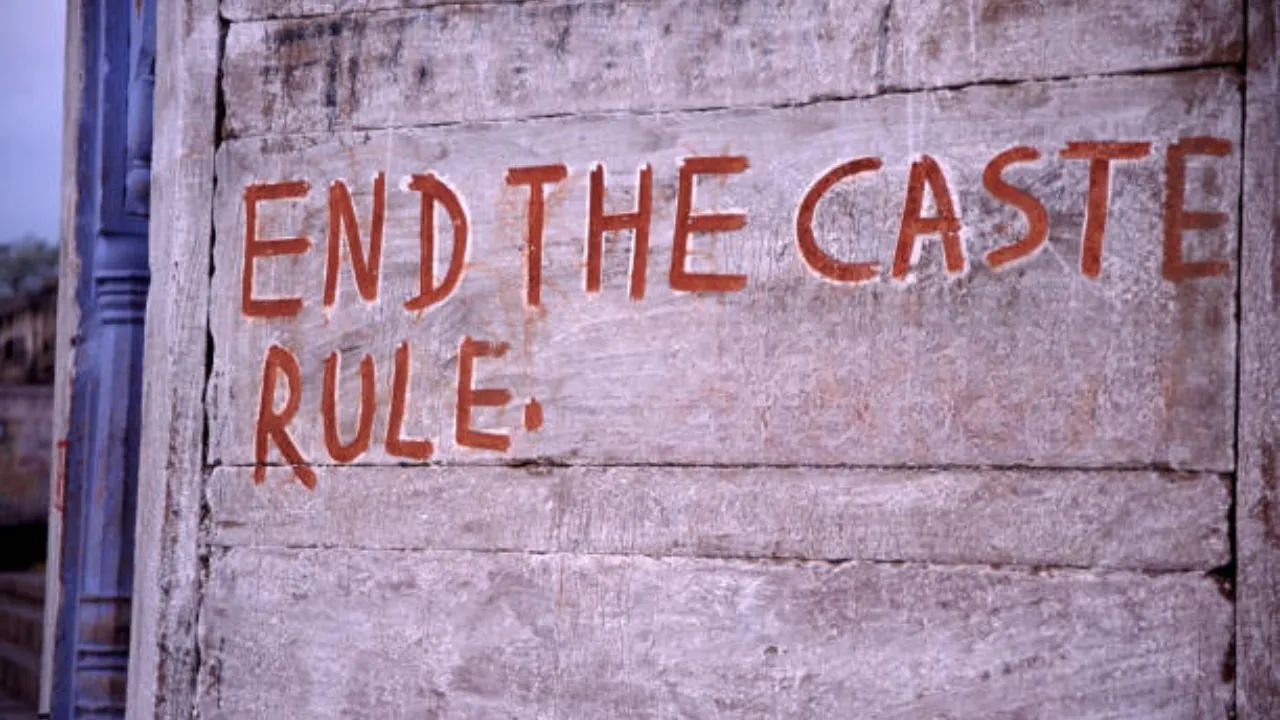
Puri, August 15: India has been free for eight decades. Yet, in some villages of Odisha, the chains of caste continue to dictate where people can go, whom they can speak to and how they should live.
Social boycott, ostracisation and informal village courts may sound like remnants of another era. But for families like that of Ashok Sethi of Baghamunda Nuagaon in Brahmagiri block, they remain a painful reality.
For nearly nine years, Ashok's family has lived away from their ancestral home. What began decades ago as a dispute over a traditional caste-based occupation eventually turned into years of humiliation, harassment and exile.
A profession that became a punishment
Ashok, 50, belongs to the Dhoba community. He says his ancestors washed clothes for upper-caste families in the village and were paid with small quantities of rice.
But as the traditional occupation failed to provide dignity or a sustainable livelihood, the family decided to move on and take up another profession.
That decision, Ashok says, came at a heavy price.
In 1992, his family was allegedly subjected to a social boycott for abandoning the traditional occupation. Over the years, the pressure allegedly turned into physical and mental harassment.
In 2015, Ashok's sister was allegedly prevented from getting married in the village. Later, even his nephew's wedding became a source of conflict when the family tried to put up a wedding canopy.
Then came 2018.
Ashok alleges that villagers demolished their house and drove the entire family out of the village.
With nowhere to turn, he approached the police and later the Odisha Human Rights Commission. The administration eventually provided the family shelter in a cyclone centre.
But the displacement continued.
During the COVID-19 pandemic, the cyclone shelter was converted into a COVID facility. Ashok's family then moved into a rented house—and has remained there ever since.
Even today, Ashok says, his family has not been able to return to its village. He has also alleged that they were deprived of the opportunity to cast their votes. The case before the Human Rights Commission, he says, is still pending.
Ashok's story is not an isolated one.
In Khuntia Banapur under Kanas block, the family of Sadashiv Barik has allegedly been facing social boycott for around one-and-a-half years.
For generations, Sadashiv's family carried the village deity's mashal and shouldered the palanquin during religious occasions. But the family eventually gave up the hereditary occupation and moved into other professions.
When villagers later decided that the family should resume the traditional duties, Sadashiv's family refused.
They said they were unable to take up the work because of their other occupations and lack of time.
The refusal allegedly resulted in their social isolation.
Villagers were reportedly warned against visiting their house. The family allegedly faced restrictions on entering the village temple, while their children were prevented from visiting other households. Even buying everyday essentials reportedly became difficult.
The unwritten rules allegedly extended beyond the family. Two villagers who reportedly visited Sadashiv's house were allegedly fined Rs 5,000 each.
A police case has been registered, but Sadashiv's family continues to live under what they describe as an atmosphere of fear and isolation.
Freedom, but not for everyone?
The stories of these two families raise an uncomfortable question: What does freedom mean when a person's caste can still determine their choices?
India's Constitution guarantees equality and dignity. Laws also exist against discrimination and social exclusion. Yet, on the ground, deeply entrenched caste practices continue to survive in some pockets.
Social activist Dibakar Barik says that even 80 years after Independence, many people remain trapped in a form of social bondage because of caste.
He points out that legal provisions exist to deal with such practices, but weak implementation allows them to continue.
For families like Ashok's and Sadashiv's, Independence is therefore not merely about a date on the calendar or a flag flying high.
It is about the freedom to choose one's profession.
The freedom to enter a temple.
The freedom to speak to a neighbour.
The freedom to attend a wedding.
The freedom to remain in one's own village.
And above all, the freedom to live with dignity—without a caste label deciding the boundaries of one's life.
Eight decades after Independence, those invisible walls may not be visible on any map. But for many, they are still very real.
.webp)