


New Delhi, August 1: A copy of the confidential letter issued by Sun Pharma Distributors Ltd on July 17 to distributors, accessed by ANI, states that there is a withdrawal of Eye Drops 5ML BKC FREE Lotepred-5ML, etc.
"Withdrawal of Product - Depopred2ML, Brinolar (BKC FREE), Brinzotim Eye Drops 5ML BKC FREE, Lotepred-5ML, Lotepred 1% Eye Drops SML, Lotepred LS 0.2%E/D5ML, Lotepred T, Nepalact OD Eye Drops 3ML, Nepalact-Z, Toba-F & Nepalact E/D 5ML."
"Sun Pharma Distributors Ltd has decided, as a precautionary measure, to discontinue further distribution and withdraw of all existing stocks of the above products available in your channel," it alerts.
The company requested to cease billing of the product immediately and requested to send back, "In this regard, you are requested to immediately cease billing of the above-mentioned product and provide us details of any stock currently held by you. Further, you are requested to send back to us any stocks of the product available with you as well as those received from any sources on priority."
In a reply to ANI, Sun Pharma spokesperson said, "Patient safety remains our highest priority. We have taken all necessary steps in the best interest of patients and in accordance with applicable regulatory requirements. Our teams are working diligently to restore the availability of these products so that patients continue to have access to these treatment options."
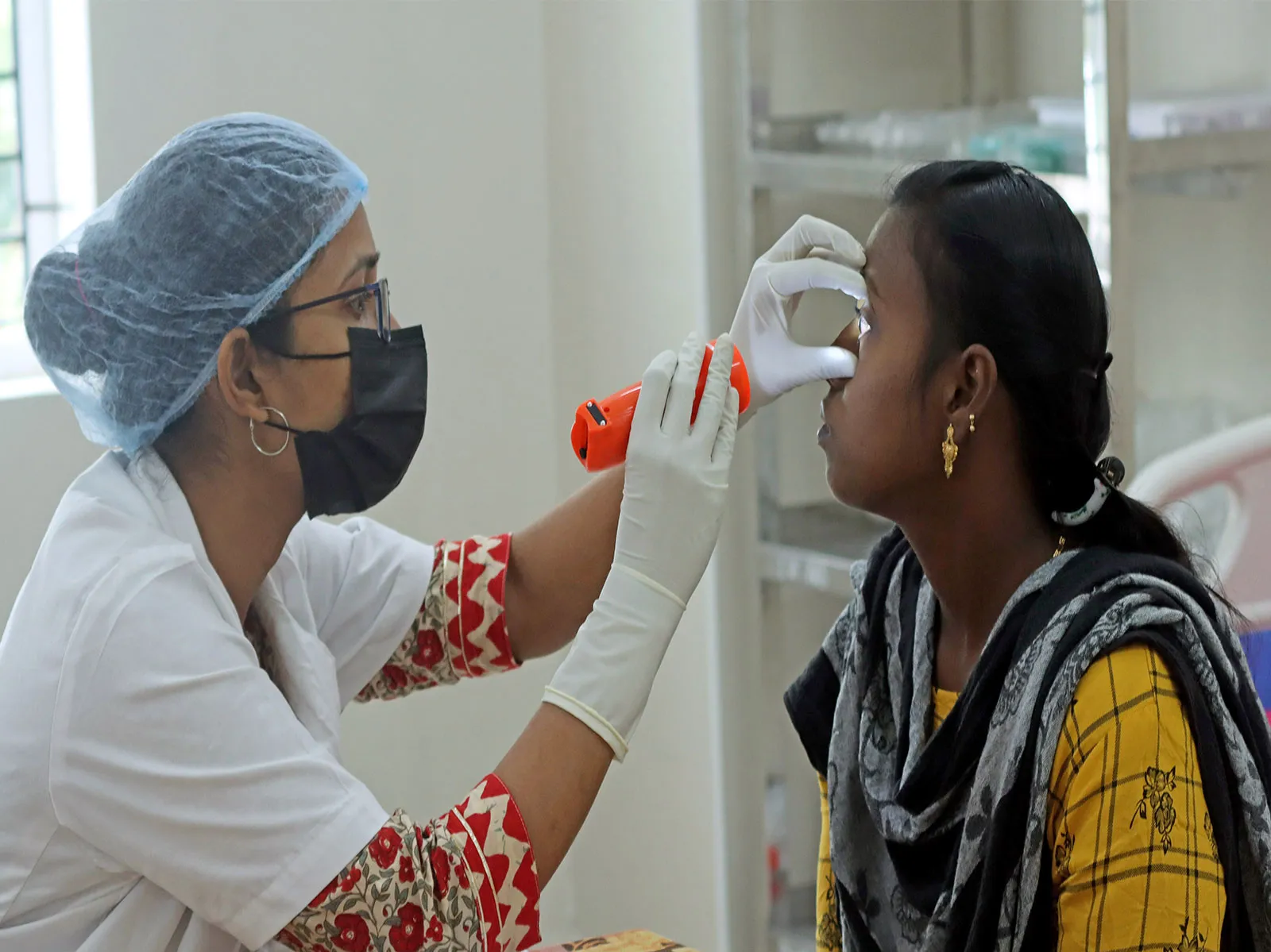
According to a top expert, "Many of these eye drops are prescribed for patients recovering from eye surgery or managing chronic conditions such as glaucoma, eye infections, allergies, and ocular inflammation, where interruption of treatment can have significant consequences. In a country like India, where millions rely on eye drops every day, maintaining sterility during manufacturing is non-negotiable. Even suspected contamination at a manufacturing facility can pose a serious risk to patient safety, making immediate product recalls essential. Patients should not continue using a recalled product or discontinue treatment on their own, but should contact their ophthalmologist promptly so that an appropriate alternative can be prescribed, ensuring continuity of care while safeguarding vision." (ANI)