


Scholars demand justice and equality for lasting global harmony
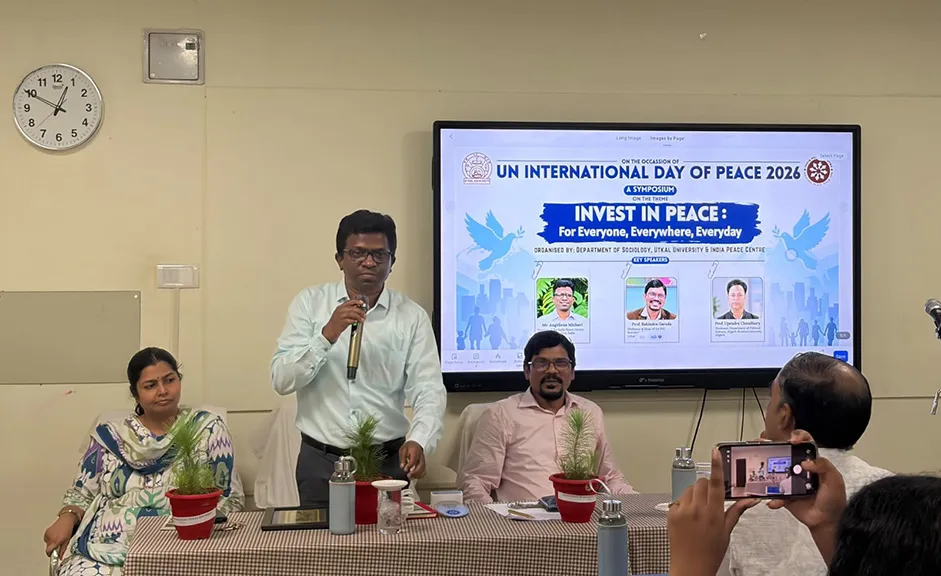
Sociologists and political scientists gathered at Utkal University to dissect why global conflicts persist despite logical reasons to seek harmony. Odisha carries deep historical resonance for this subject, as Emperor Ashoka famously embraced nonviolence on the soil of Kalinga after witnessing devastating warfare. Organised by the Department of Sociology in partnership with the Nagpur-based India Peace Centre, the recent symposium explored the UN International Day of Peace 2026 theme. Experts moved beyond typical military frameworks to explore how historical memories, gender equality, and household dynamics shape human trust.
Prof. Upendra Choudhary from Aligarh Muslim University addressed international diplomacy. He noted that looking only at individuals, states, regions, and systems fails to explain deep-rooted mistrust between nations. He argued that civilisation forms a vital fifth level of analysis. Border disputes like those between India and China involve historical memories and identity, requiring mutual recognition rather than just military deterrence to secure lasting stability.
Building equality inside homes
Focusing on domestic environments, Sociology Head Prof. Rabindra Garada shifted the discussion to family dynamics. He warned that rising divorce rates stem from poor communication and lack of empathy rather than simple disagreements. He outlined an alternative approach for family harmony based on shared partnerships. This method requires moving away from strict patriarchy, replacing blame with active communication, turning rigid authority into joint accountability, and showing empathy for the expectations of all generations.
India Peace Centre Director Angelious Michael linked environmental crises like the recent Nepal floods to systemic imbalances, declaring that harmony requires justice. He emphasized that social issues like child malnutrition must be solved to create real stability. Dr. Tanaya Mohanty then highlighted feminist perspectives on war trauma, citing the severe psychological toll on historical figures like Virginia Woolf to explain how external chaos destroys internal well-being.
Students also presented detailed research on modern challenges. Shibangi Giri discussed the displacement of tribal communities caused by green grabbing, warning against creating sacrifice zones for environmental transitions. Other scholars explored the structural conditions necessary for peaceful coexistence in diverse communities. Participants concluded the gathering with an extensive interactive session and a signature campaign committing to everyday peacebuilding.