

Nepal demands climate compensation from top global greenhouse emitters
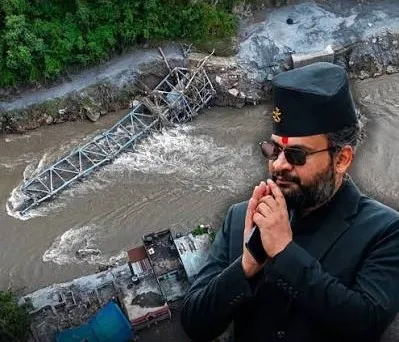
Kathmandu is holding China, India, and the United States accountable for catastrophic flooding in the Bhotekoshi river basin, demanding urgent climate compensation from the world's biggest greenhouse gas emitters. Devastating rock-and-ice avalanches near the Chinese border triggered sudden surges on August 26, killing at least 1,127 people and leaving around 3,900 missing. Himalayan glaciers have been retreating at an alarming rate over the last decade, disproportionately exposing mountain communities to severe ecological threats. Prime Minister Balendra 'Balen' Shah now plans to attend the 81st United Nations General Assembly in New York to personally press these demands on a global stage.
Shifting Focus toward Climate Justice
Nepalese Foreign Minister Shisir Khanal emphasised that vulnerable nations should not bear the financial burden of disasters caused by emissions they did not produce. He clarified that Kathmandu is moving away from traditional aid requests and treating this disaster as a matter of legal and moral liability. Consequently, the government has formally approached the UN-backed Fund for Responding to Loss and Damage for immediate assistance. Finance Minister Swarnim Wagle estimates rebuilding efforts across Rasuwa, Nuwakot, and Dhading districts will require $4 to $5 billion, which represents nearly ten percent of the national economy.
Evaluating Regional and Global Liability
Official records indicate China, the United States, and India currently lead the world in absolute greenhouse gas output. Per-capita data paints a slightly different picture. India generates roughly three tonnes of carbon dioxide-equivalent per person, remaining far below China's 11 tonnes and the US's 17 tonnes. Developing nations continually argue that climate obligations must consider historical emissions and early industrial benefits rather than just current output numbers. Government officials initially planned to manage rescue operations locally using internal security agencies. Due to the extreme scale of destruction, Kathmandu later requested specialised tunnel-rescue teams, forensic experts, and Bailey bridges from neighboring countries. The Foreign Ministry is also briefing international donors on long-term resettlement requirements. Authorities stress that Himalayan glaciers sustain major river systems across South Asia, meaning these environmental shifts threaten billions of people beyond national borders.