


Bhubaneswar, May 18: Odisha is home to over 100 varieties of traditional aromatic rice, each representing the state’s rich agricultural heritage. These rice varieties, collected from different districts, are now being preserved and studied for their unique qualities. Students, researchers, and enthusiasts of traditional crops are increasingly taking an interest in these indigenous grains.
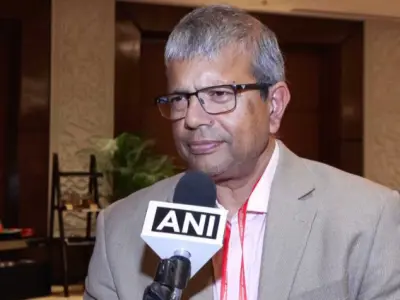
Dr. Satyaranjan Das, a former rice researcher at Odisha University of Agriculture and Technology (OUAT) and fondly known as the ‘Rice Man,’ has painstakingly collected these rice varieties. Today, they are attracting attention at OUAT’s Rice Research Station.
Dr. Das began this effort of collection in 1976, traveling from district to district to meet farmers and gather traditional rice seeds. Among the varieties he collected are “Kalajira” from Bolangir, “Yubaraj” from Sambalpur, “Sargadhuli” and “Gagan Dhuli” from Khordha, Puri, and Cuttack, “Makarkanda” from Phulbani, “Nawab” from Khordha, “Chinikamini” from Cuttack and Puri, and several others such as “Durgabhog,” “Krishnabhog,” “Gobind Bhog,” “Thakur Bhog,” and “Lakshmi Bilas.” Each of these aromatic rice varieties is a medium-duration crop, taking around 120–125 days to mature.
Many of these varieties were once widely cultivated across Odisha, though some had nearly disappeared while others continue to thrive. By carefully preserving the seeds over the years, their aroma and quality have been maintained. Experiments have shown that the best results are achieved when the rice is prepared with milk before cooking.
Dr. Das has also conserved newer varieties such as “Jhili,” “Mahipal,” “Machakanta,” and “Magu Ra,” known for their resilience and high yield. Among these, varieties like “Mugudhi,” “Mugei,” “Gadakati,” and “Chinmali” produce excellent soft rice, perfect for traditional meals.
Dr. Das emphasizes that preserving these indigenous rice varieties is essential for future generations, ensuring that Odisha’s rich rice heritage is not lost. While varieties like “Gobind Bhog” are now being imported from Chhattisgarh due to local scarcity, the cultivation of traditional rice within Odisha is still vital.
In recent years, collaborative efforts between OUAT and the Central Rice Research Institute have led to the release of improved strains such as “Nua Kalajira,” “Nua Chinikamini,” and “Nua Dhusuri,” officially approved by the state seed committee. However, wider cultivation of these strains remains limited, highlighting the need for government support and farmer awareness programs.
In recognition of his lifelong work in researching and conserving traditional aromatic rice, Dr. Bas was honored at the 41st convocation ceremony of OUAT. His work ensures that Odisha’s agricultural heritage continues to inspire and benefit future generations.