Pakistan Admits Iranian Military Planes Parked At Strategic Airbase during US Tensions
Islamabad confirmed that Iranian military aircraft are currently parked at the Nur Khan Airbase. This admission complicates Pakistan's role as a mediator in the conflict between the United States and Iran.
Published By : Satya Mohapatra
| May 12, 2026 11:29 AM
Pakistan confirms Iranian military planes at strategic airbase
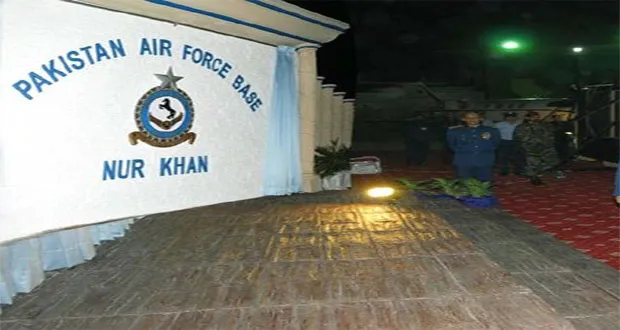
Pakistan’s Ministry of Foreign Affairs officially acknowledged on Tuesday that Iranian military aircraft are stationed at a strategic airbase in Rawalpindi. This confirmation comes despite Islamabad’s public stance as a neutral mediator between Washington and Tehran. While the government rejected claims that these assets were hidden to escape American strikes, they admitted several planes remain on Pakistani soil following the recent ceasefire in West Asia.
Strategic Assets at Nur Khan
Government officials identified the presence of aircraft, including an Iranian Air Force RC-130 reconnaissance variant, at the high-security Nur Khan Air Base. Reports from international observers suggest these military assets moved across the border shortly after a temporary truce was declared in April. Islamabad maintains that the arrival of these planes relates strictly to logistical needs for ongoing diplomatic talks and denies any secret military preservation agreement with Tehran.This development creates a diplomatic challenge for Pakistan, which has historically balanced its security partnership with the United States against its shared border interests with Iran.American lawmakers have already begun questioning whether Pakistan can remain an impartial broker while providing a safe haven for Iranian hardware.
The foreign office statement described the aircraft presence as administrative, intended to facilitate movement for diplomatic personnel and security teams.However, the long-term parking of intelligence-gathering planes at a major military installation has sparked debate in Washington.Some officials argue that this arrangement protected Iranian aviation from potential destruction during the peak of hostilities. As the ceasefire remains fragile, Islamabad's dual role as a peace broker and a physical host for military equipment remains under intense global observation.


.webp)


.webp)