
.webp)

Bhubaneswar, October 25: The National Urban Conclave 2026 concluded in Bhubaneswar on Sunday with actionable recommendations to strengthen urban governance, planning and service delivery towards Viksit Bharat 2047.
Union Housing and Urban Affairs Minister Manohar Lal graced the valedictory event. State Housing & Urban Development Minister Krushna Chandra Mahapatra, NITI Aayog member Rajiv Gauba, Department of Urban Development (Ministry of Housing and Urban Affairs) Secretary Satendra Singh, State ACS (H&UD) Usha Padhee also attended.
Gracing the event, Union Minister Lal said, “The intent of the Conclave is to deliberate on the future challenges of our cities.”
Also Read: Cyclone Arnab: 30 ODRAF, NDRF teams deployed in five Odisha districts; Check here
He highlighted the progress achieved through national missions, including AMRUT, Swachh Bharat Mission–Urban and PM SVANidhi, in expanding water and sanitation services, improving waste management, strengthening urban mobility and promoting financial inclusion.
He emphasised the importance of affordable housing near employment centres and public transport, circularity in construction practices, and the scientific remediation of legacy waste.
Noting that over half of the country’s legacy waste has been remediated, he stressed the need to sustain these efforts and prevent the accumulation of new waste, ensuring that India's urban transformation remains inclusive, sustainable and future-ready.
Highlighting the spirit of cooperative federalism, he reaffirmed the Ministry’s commitment to working with states, cities and partner institutions to take forward the Conclave’s recommendations, and advance the vision of Viksit Bharat 2047.
NITI Aayog Member Gauba emphasised the need for comprehensive reforms in urban governance, planning and municipal finance to manage India’s accelerating urban transition.

Highlighting initiatives such as the Urban Challenge Fund and City Economic Regions, he urged states to undertake structural reforms and called for linking funding under national urban missions to their implementation, enabling cities to realise their potential as engines of growth towards Viksit Bharat 2047.
Seven technical sessions were held during the two-day conclave which brought together representatives from the Union and State Governments, urban local bodies, industry, academia and knowledge institutions to identify practical solutions for India's evolving urban challenges and advance the vision of Viksit Bharat 2047.

Several initiatives and publications were launched:
1. Used Water Marketplace under AMRUT 2.0
A digital platform that connects urban local bodies (ULBs) with potential users and investors in the treated used-water ecosystem. ULBs can list the quantity and quality of treated water available for sale, enabling industries, institutions, and private entities to identify and access procurement opportunities.
2. UCF Portal
The portal is a key digital initiative that enables transparent, efficient and streamlined implementation of the Urban Challenge Fund. It serves as a common digital interface for states, Union Territories, ULBs and implementing agencies with project submission, tracking, appraisal and monitoring, and supporting decision-making.
3. Online Interactive Municipal Finance Data Hub
The multipurpose portal will connect the community of practitioners of municipal finance for two-way interactions via online discussion forums. It will also enable municipal reforms like enhancement of municipal revenue, and the availability of real-time digital data on municipal revenue and expenditure of ULBs.
4. Street Food Hubs under PM SVANidhi
In initiative to formally commence the development of the 18 selected Street Food Hubs under PM SVANidhi. The release of the first tranche of funds indicated the formal commencement of project implementation.
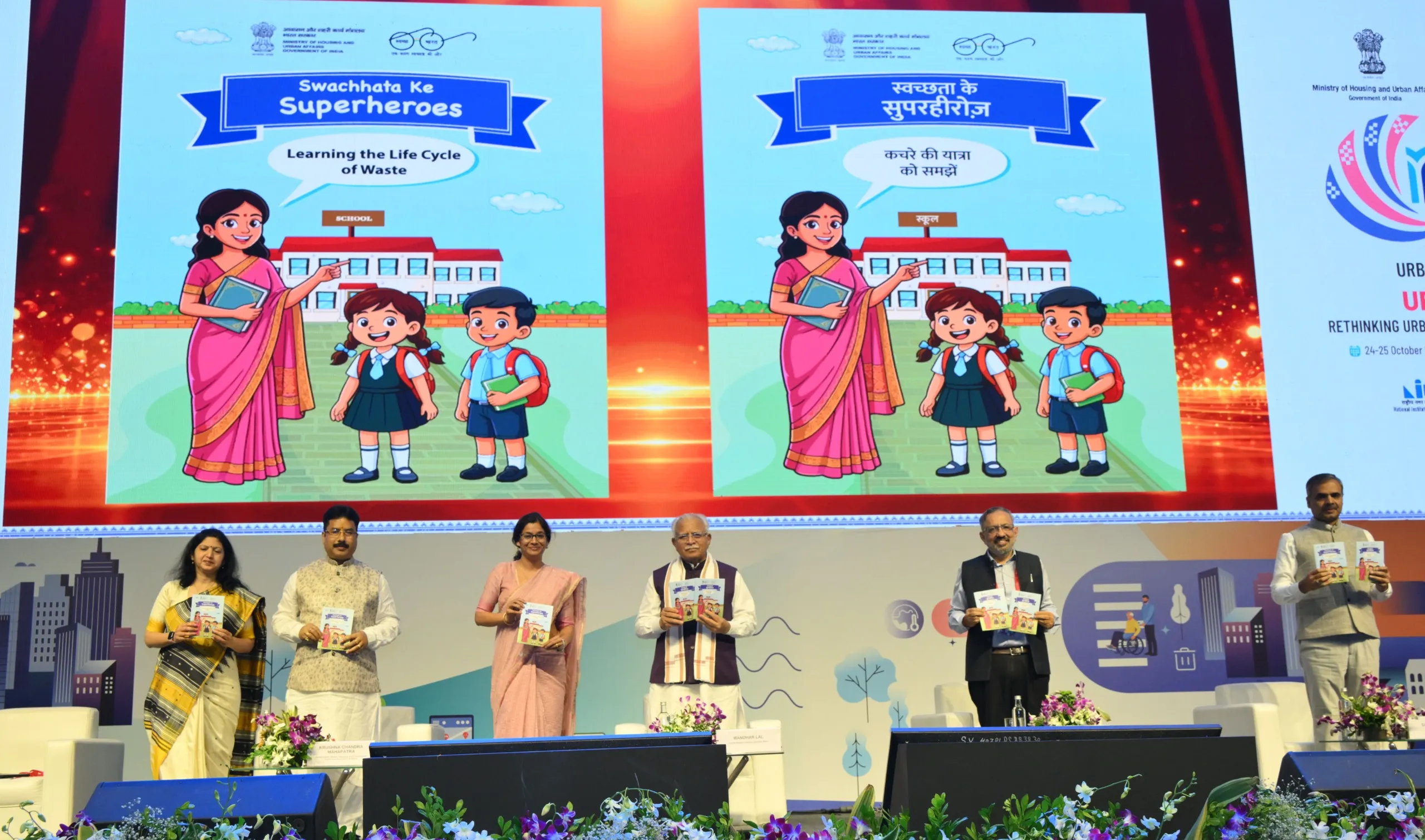
5. Swachhata Ke Superheroes
A book for children, created to instill the values of swachhata, waste segregation, and responsible waste management among young readers.
6. CPWD Nirman
A web and mobile application designed to enable digital monitoring of CPWD projects from initiation to completion. The platform will facilitate real-time progress tracking, milestone monitoring and inter-agency coordination, enhancing transparency, accountability and data-driven decision-making.
7. CPWDway
A digital capacity building platform offering short instructional videos on CPWD specifications, construction practices, project case studies, building services and architectural innovations. Integrated assessments will support continuous learning and practical skill development among government engineers and other engineering professionals.
8. Internship Scheme through the National Internship Portal
An initiative enabling undergraduate engineering and architecture students to access internship opportunities with CPWD through AICTE’s National Internship Portal. The scheme will provide practical exposure to government infrastructure projects, construction technologies, project management and quality assurance, strengthening industry–academia collaboration.
9. Technical Cooperation between JICA and CPHEEO
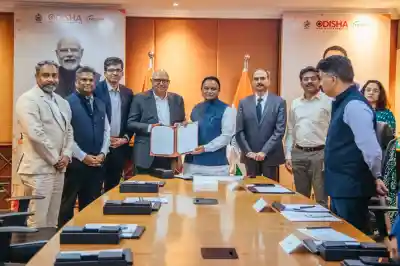
A Memorandum of Understanding signed between the Japan International Cooperation Agency (JICA) and the Central Public Health and Environmental Engineering Organisation (CPHEEO) to strengthen technical cooperation in promoting the circular use of treated used water.
.webp)