


Bhubaneswar, August 7: A saree from Odisha is not just a piece of fabric; it is a canvas of tradition, patience and artistic brilliance. Behind every intricate motif lies the dedication of a weaver who keeps alive a centuries-old craft. From the weaving clusters of western and southern Odisha, these heritage textiles are now making their way to international fashion platforms, where tradition meets contemporary design.
The latest milestone in this remarkable journey will unfold this November at India Fashion Week London 2026, where young fashion designer Sujit Meher will present an exclusive collection featuring Sambalpuri silk and the rare Habaspuri weave. More than a fashion showcase, the event marks another step in taking Odisha's rich textile heritage to an international audience.
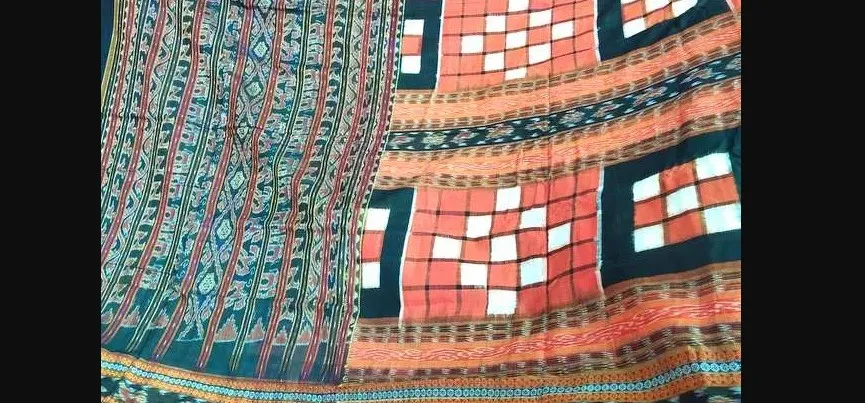
What makes this showcase particularly significant is the debut of ‘Habaspuri handloom’ on an international fashion runway. While intricately crafted lehengas made from Sambalpuri silk will highlight Odisha's vibrant weaving tradition, the elegant Habaspuri weave will be presented in its classic saree form, introducing global audiences to a textile once feared to be fading into obscurity.
For Sujit Meher, the collection is deeply personal. Born into a weaving community, he has dedicated his career to reimagining Odisha's traditional textiles through contemporary fashion.
"Taking our handloom to India Fashion Week London 2026 is my humble effort to introduce Odisha's weaving heritage to the world," he says. "Habaspuri was once on the verge of disappearing. If this platform inspires young people to value and preserve the craft while creating livelihood opportunities for weavers, it will be a meaningful achievement."
His journey with Odisha's handloom on the fashion circuit began in 2012 at Delhi Fashion Week and later continued at Dubai Fashion Week. Since then, his collections have found admirers far beyond India.
"People overseas genuinely appreciate the craftsmanship of our handloom. Many of my collections are now being exported. There was a time when handloom was considered clothing for older generations, but that perception has changed. Today's Gen Z proudly embraces handloom as a fashion statement," he says.
The growing global appreciation reflects a larger transformation. Odisha's traditional textiles are no longer viewed merely as symbols of cultural identity but as timeless, sustainable fashion with universal appeal.
This transformation has also received strong institutional support. Under its 'Local to Global' initiative, the Odisha government is encouraging weavers to participate in international exhibitions across France, Japan, the United States and Singapore, while helping them access global markets through e-commerce platforms.
Veteran Bandha (Ikat) artist Dr. Surendra Meher, who has showcased Odisha's weaving excellence in Dubai, San Francisco, Amsterdam, London and Jerusalem, believes that live demonstrations play a crucial role in connecting global audiences with the craft.
"When people watch the weaving process firsthand, they understand the immense skill, patience and dedication behind every fabric," he says. "Handloom products receive tremendous appreciation, especially in the United States. International festivals have helped people recognise the value of our artisans' work, and that growing awareness is translating into greater demand for Odisha's textiles."
For generations, Odisha's handloom has been woven with stories of tradition, identity and artistry. Today, those same threads are weaving a new narrative—one that stretches from the quiet looms of rural Odisha to the dazzling lights of international fashion runways. As global audiences embrace these handcrafted masterpieces, every *khat... khat... of the loom echoes a timeless truth: the future of fashion is often rooted in the heritage of the past.