
.webp)


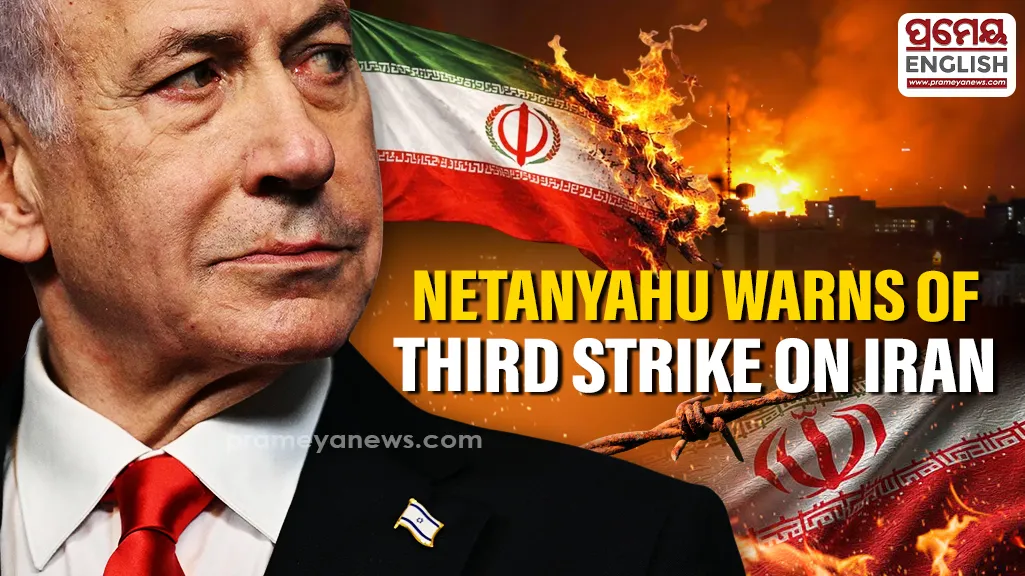
Netanyahu promises further strikes to halt Iranian nuclear progress
Israeli Prime Minister Benjamin Netanyahu remains firmly prepared to attack Iran a third time to prevent nuclear weapons development. His aggressive stance arrives just as Washington and Tehran attempt to finalise long-term peace agreements. Speaking directly to Israeli media networks, he defended recent operations and confirmed independent military action stays firmly on the table.
Historically, Israeli leaders have consistently adhered to the Begin Doctrine, which dictates preemptive military strikes to deny adversarial nations weapons of mass destruction, ensuring survival.
Netanyahu firmly opposes any diplomatic deals that leave Iranian military capabilities intact, insisting Israel will act alone. He emphasised that previous strikes successfully protected his nation from atomic destruction. Furthermore, he explicitly noted a third intervention will happen if regional security threats persist.
Trump Cautions against Escalation
Donald Trump has publicly urged Israeli leaders to exercise restraint. Trump warned Netanyahu that further wide-scale attacks might isolate Israel diplomatically. According to recent reports, the US President advised him to act carefully, cautioning that unilateral decisions could cost valuable international backing. Washington hopes to transform the current Qatar-mediated ceasefire framework into a lasting political settlement. This proposed draft involves easing sanctions, reopening vital shipping routes, and halting military operations across the Middle East.
Operations Continue In Southern Lebanon
Tensions similarly persist beyond Iranian borders. Netanyahu recently toured occupied territory in southern Lebanon, addressing troops directly on the ground. He promised soldiers that military forces will stay until Hezbollah stops threatening Israeli communities. This rare frontline visit occurred despite recent American-backed security agreements proposing limited troop withdrawals from designated areas and expanding Lebanese military control. With Israel refusing to abandon independent military options, global leaders are watching closely to see if delicate diplomacy can truly prevent another severe regional conflict that could devastate civilian populations and disrupt global economies for years to come.
.webp)