.webp)

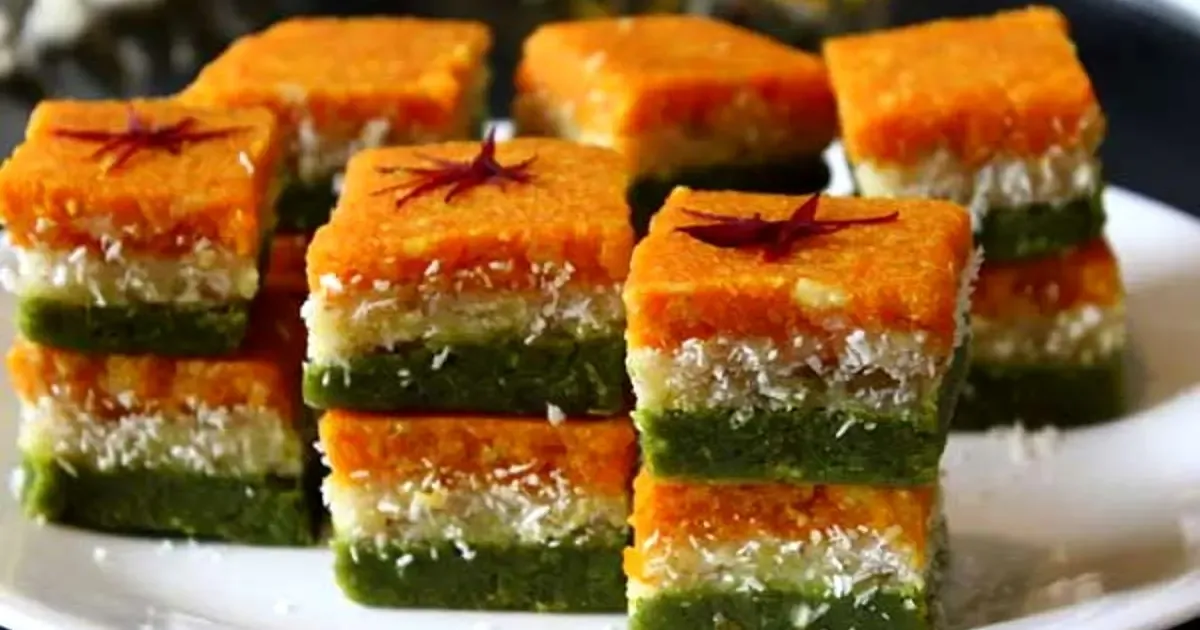
As Independence Day approaches, the Tricolour, patriotism and inspiring stories from India’s freedom struggle once again come into focus. But have you ever heard of a time when secret messages were reportedly carried inside paan leaves to evade the British, while restrictions on displaying the Tricolour inspired sweet makers in Kashi to create Tricolour Barfi?
These are stories associated with the freedom struggle in Kashi, now known as Varanasi, where everyday items such as paan and sweets reportedly became unusual symbols of resistance and patriotism.
How Paan Became a Carrier of Secret Messages
During British rule, revolutionary activities were closely monitored, and the public display of the Tricolour faced restrictions. According to accounts associated with an old paan shop in Varanasi, revolutionaries found innovative ways to exchange information without attracting the attention of the authorities.
Rajesh Chaurasia, associated with the old Netaji Paan Bhandar, has said that Ram Narayan Chaurasia, who operated a paan shop near the Chowk police station, helped freedom fighters.
Important information was reportedly concealed inside paan leaves. Details about police movements, operations and other developments around the Chowk police station were allegedly conveyed to revolutionaries through paan.
At a time when even a small mistake could have serious consequences, the humble paan leaf reportedly became a discreet means of communication for those involved in the freedom movement.
From Nehru to Shastri: A Paan Shop Linked to History
Ram Narayan Chaurasia was reportedly associated with several prominent freedom fighters, including Lal Bahadur Shastri, Pandit Kamalapati Tripathi and Raghunath Singh.
The historical importance of the shop is also said to have continued after Independence. Prominent leaders such as Jawaharlal Nehru, Indira Gandhi and K. Kamaraj were reportedly among those who visited the establishment.
When the Tricolour Came in the Form of Sweets
Paan was not the only way Kashi’s residents reportedly expressed their patriotism. Sweet makers in Varanasi also found a creative way to celebrate the national colours despite restrictions on displaying the Tricolour.
Sweet makers such as Madan Gopal Gupta of Thatheri Bazaar and Bachanu Sao of Kachori Gali reportedly experimented with ingredients to create Tricolour Barfi.
Traditionally made using ingredients such as almonds, pistachios and saffron, the sweet became more than a confectionery item. Its three-colour appearance reportedly served as a symbolic expression of patriotism.
Other sweets were also given patriotic names, including ‘Jawahar Laddu’, ‘Gandhi Gaurav’ and ‘Vallabh Sandesh’, turning sweet shops into another avenue for expressing national sentiment.
Tricolour Barfi Still Popular Today
Decades have passed and India has been independent for nearly eight decades, but the popularity of Tricolour Barfi in Kashi continues.
Demand for the sweet reportedly rises around August 15 and January 26. While the traditional version was prepared using almonds and pistachios, newer versions are also made with cashews and mawa.
According to the information provided, Tricolour Barfi currently costs around ₹600 per kilogram, while Jawahar Laddu is priced at approximately ₹1,000 per kilogram.
From secret messages hidden in paan leaves to the Tricolour appearing in sweets, these stories offer a fascinating glimpse into how ordinary objects and local traditions became associated with patriotism during a turbulent chapter of India’s history.
.webp)