
.webp)


Iran warns of shutting Hormuz if American blockade continues
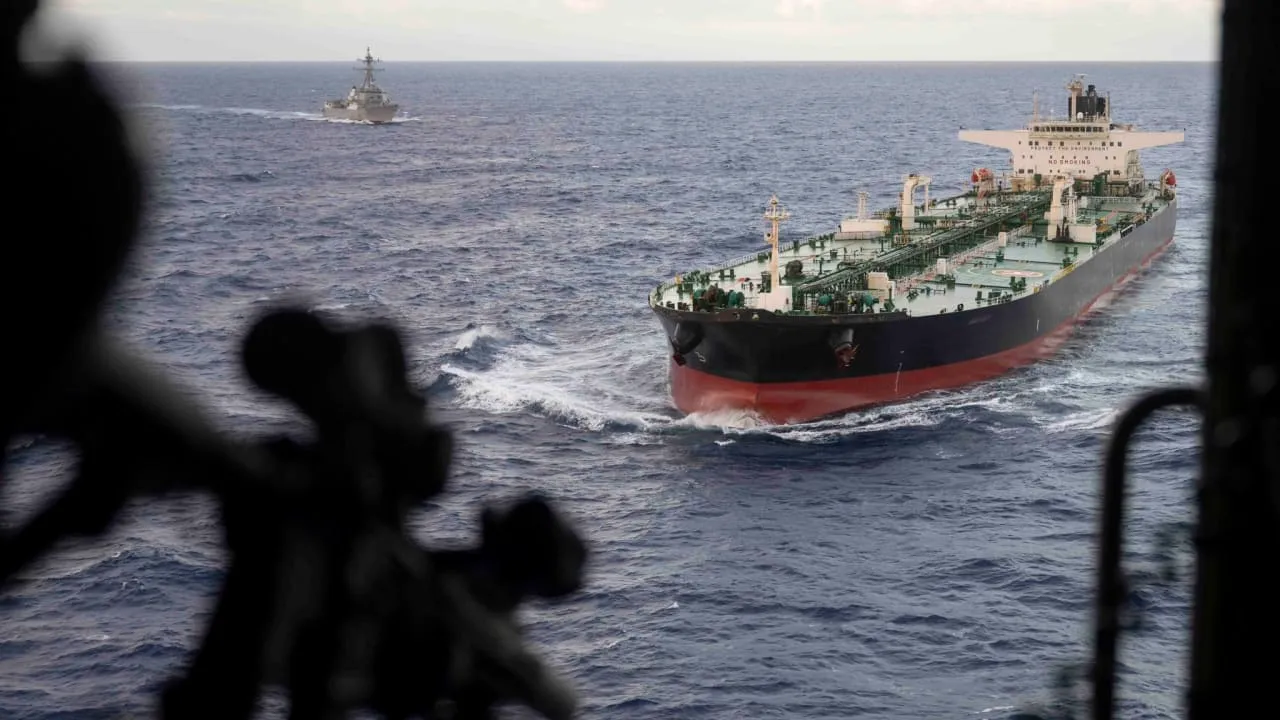
Tehran issued a stark ultimatum on Saturday, threatening to seal the Strait of Hormuz once again if the United States refuses to lift its aggressive naval blockade of Iranian ports. Iranian Parliamentary Speaker Mohammad Bagher Ghalibaf declared that the strategic waterway would not remain open if Washington continues to intercept vessels, effectively putting the world’s most vital energy artery back under threat just hours after a brief reopening.
Iranian officials argue that the current American naval presence and the diversion of ships by U.S. forces constitute a violation of existing truce terms. While President Donald Trump recently claimed a peace deal was near, the Islamic Revolutionary Guard Corps remains hesitant, insisting that maritime access must be absolute. The U.S. Central Command has reportedly directed over 20 ships to turn around this week, maintaining pressure to force a "transaction" regarding Tehran's nuclear stockpile.
This standoff carries immense weight for global stability, as nearly 20% of the world's liquefied natural gas and crude oil passes through this narrow 21-mile-wide passage. Any prolonged disruption would send energy prices skyrocketing, impacting everything from European heating costs to Asian manufacturing.
Stalled Diplomatic Breakthroughs
Negotiations in Islamabad have yet to yield a permanent resolution. While a temporary ceasefire in Lebanon offered a glimpse of de-escalation, the "field" remains volatile. Iranian leadership maintains that the right to govern the strait is a matter of national sovereignty, rejecting any oversight managed via American social media announcements.
With Public Domain feed and Image Courtesy: File Photo
.webp)