
.webp)

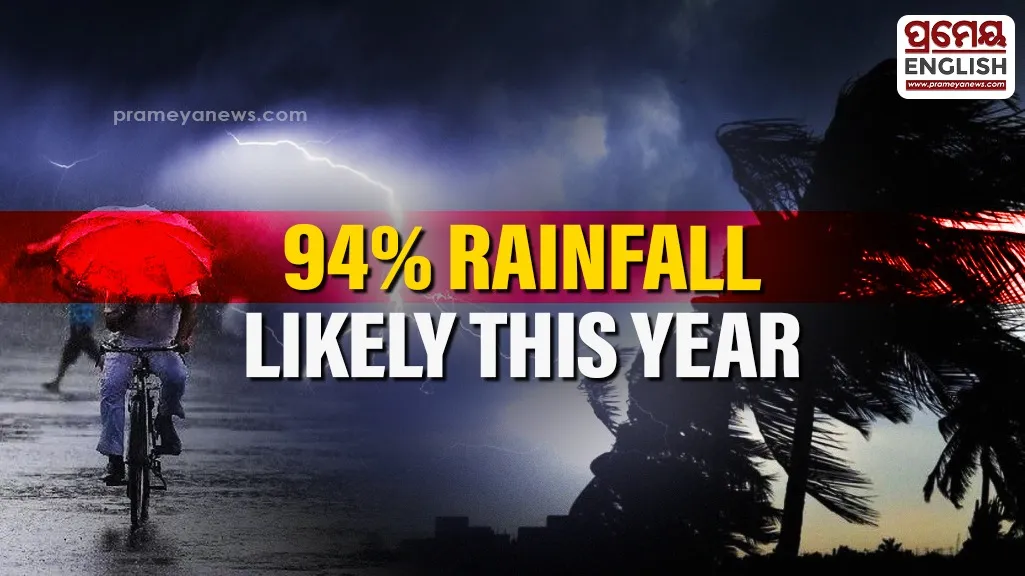
India faces rainfall deficits as El Niño might disrupts 2026 monsoon.
Skymet Weather Services forecasts a "below normal" monsoon for India in 2026, estimating total rainfall at just 94% of the Long Period Average (LPA). This subpar projection stems from the anticipated strengthening of El Niño, which typically suppresses precipitation across the subcontinent. Agriculture experts express immediate concern as a deficiency of this scale could strain India’s rural economy and food security during the critical kharif sowing window.
Impact of El Niño and Timing
Meteorological data indicates that the first half of the season - June and July - may start with relatively stable rainfall. However, the situation is expected to deteriorate in August and September as the coupling between the Pacific Ocean and the atmosphere intensifies the El Niño effect. Managing Director Jatin Singh noted that while the season begins with a neutral state, the transition to warmer sea surface temperatures poses a significant risk to the latter half of the monsoon.
Regional Outlook and Odisha Context
Geographically, the core rainfed zones in Central and Western India are likely to bear the brunt of the deficit. States like Punjab, Haryana, and Rajasthan face higher chances of erratic rainfall during the late season. Conversely, Eastern and Northeastern regions, including Odisha, are expected to fare better with near-normal precipitation levels. Historically, Odisha relies on the Bay of Bengal depressions to mitigate broader national deficits, though local farmers must still prepare for uneven distribution.
Mitigating Factors
One potential saving grace remains the Indian Ocean Dipole (IOD). If a positive IOD develops, it could partially neutralize the negative effects of El Niño. While the India Meteorological Department (IMD) is expected to release its official findings next week, the current private forecast serves as a stern warning for water management and crop planning across the country.
Inputs from Public Domain threads
.webp)