



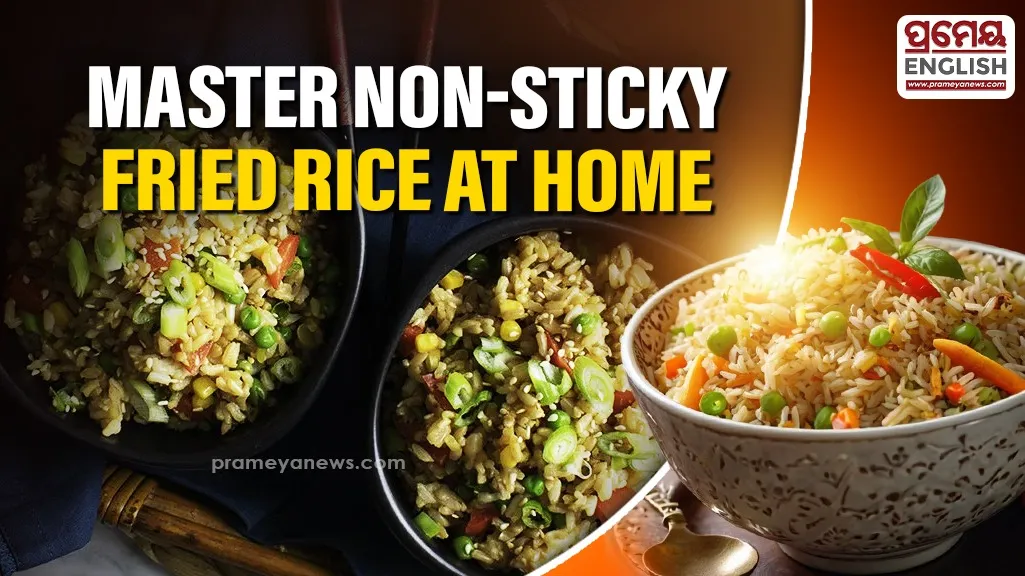
Transform soggy grains into restaurant-quality stir-fry perfection instantly
Achieving the distinct, individual grain texture of restaurant-style fried rice at home often feels elusive, frequently resulting in a clumped mess resembling khichdi. Most amateur cooks fail because they use freshly boiled rice, which retains high moisture levels and surface starch. When these warm grains hit a pan, they steam rather than sear, creating a sticky disaster.
Stop Using Fresh Grains
Moisture serves as the primary enemy of a successful stir-fry. Utilising refrigerated, day-old rice is the gold standard because the cold air dehydrates the grains, allowing them to remain firm during high-heat tossing. If you must cook from scratch, spread the rice on a flat tray and place it under a fan or in the fridge for two hours to mimic this aging process.
Master Heat and Volume
High-intensity heat is mandatory to trigger the Maillard reaction, giving the dish its signature smoky aroma. Home stovetops often lack the "Wok Hei" (breath of the wok) found in commercial kitchens, so avoid overcrowding the pan. Cooking too much at once drops the surface temperature, leading to boiled rice instead of fried rice. In Odisha, where rice is a staple, local variations like Chawal Bhaja rely on similar principles of high-heat agitation to ensure every grain is coated in oil rather than water.
Gentle Handling Matters
Aggressive stirring breaks down the structural integrity of the rice. Use a flat spatula to gently fold and toss the ingredients. Furthermore, limit liquid seasonings like soy sauce or vinegar. Excessive liquids saturate the starch, immediately turning the dish mushy. Instead, season the oil or vegetables first to distribute flavor without compromising the bite.