Secret Diplomatic Channel Reveals Iran Plan to Reopen Strait of Hormuz
Iran has leveraged Pakistani mediators to deliver a clear list of strategic red lines to the US government regarding nuclear and maritime sovereignty. This diplomatic offensive aims to decouple the reopening of the Strait of Hormuz from immediate nuclear concessions.
Published By : Satya Mohapatra
| April 27, 2026 2:51 PM
Iran communicates non-negotiable strategic boundaries to US via Pakistan.
Iranian Foreign Minister Abbas Araghchi has formally transmitted a definitive list of "red lines" to the United States. Iran has utilised Pakistan as a diplomatic conduit to outline Tehran’s non-negotiable positions on nuclear development and the Strait of Hormuz.This strategic move, reported by state-affiliated media, clarifies that while Iran seeks to define its thresholds, these messages remain distinct from formal negotiations.
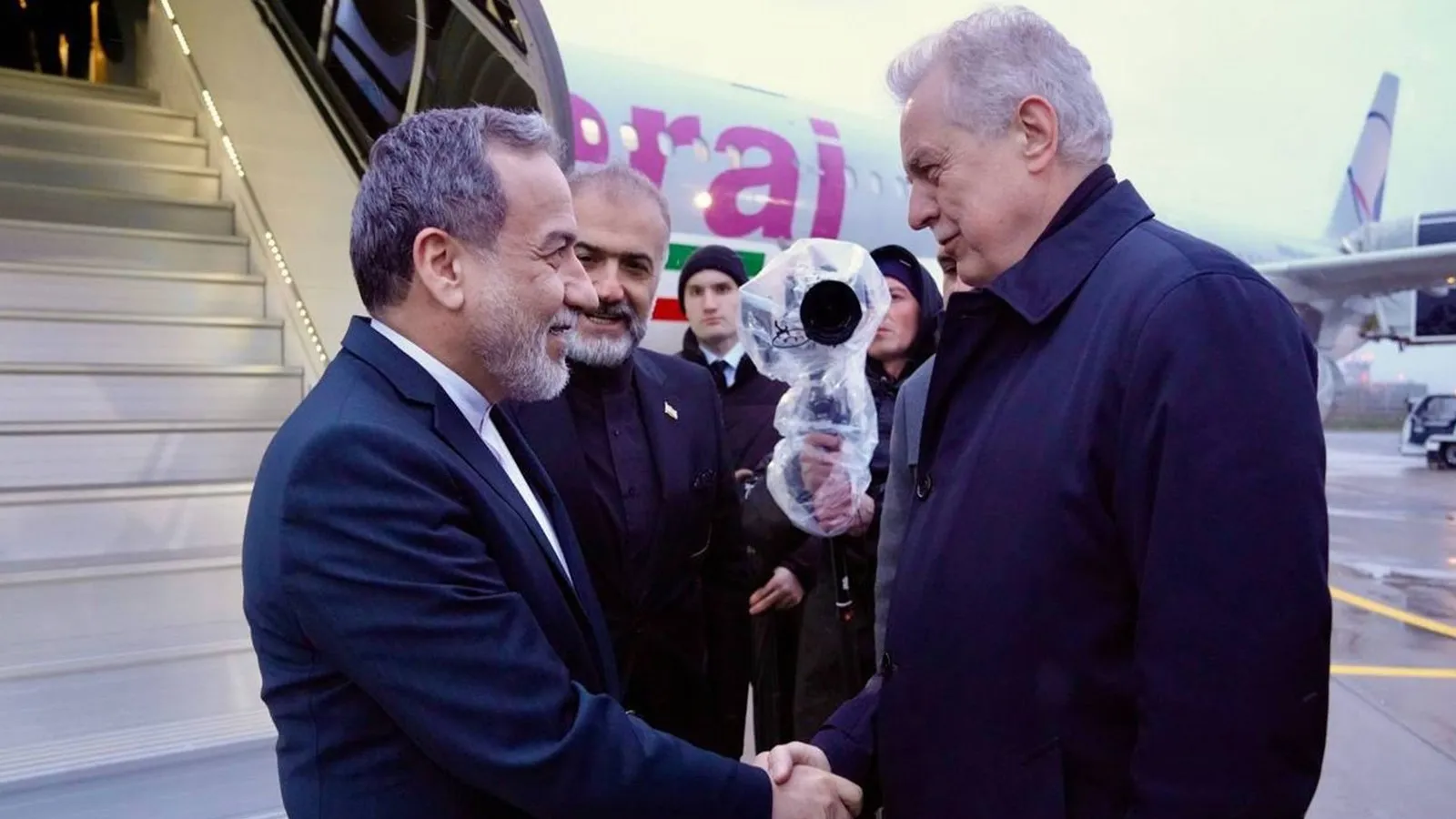
Araghchi, currently in Russia for high-level consultations with President Vladimir Putin, confirmed that his recent mission to Islamabad focused on establishing the specific conditions necessary for any potential resumption of bilateral talks.This development follows a period of heightened friction where the US Navy has maintained a blockade of Iranian ports, mirroring Iran’s own restrictions on the vital energy chokepoint of the Hormuz Strait.
Reports indicate a fresh proposal has been submitted to the White House through Pakistani intermediaries.This framework suggests a two-stage plan: prioritizing the reopening of the Strait of Hormuz and a permanent end to hostilities before addressing the nuclear file.This sequencing deviates from Washington’s long-standing demand for immediate nuclear concessions, including the relocation of uranium stockpiles.
Global Energy Implications
Standoffs in the Strait of Hormuz historically trigger volatility in global oil prices, a reality that adds urgency to these indirect exchanges. For India, which relies heavily on Middle Eastern energy imports and maintains a strategic interest in the Chabahar port, any stabilisation of this maritime corridor is vital for national energy security.
President Donald Trump remains firm, suggesting that Iranian leaders "can call" if they wish to engage, while expressing optimism for a swift resolution.As Araghchi moves from Muscat to Moscow, the diplomatic focus shifts to whether the US will accept a de-escalation plan that temporarily sidelines the nuclear dispute to ensure maritime passage.
Inputs from Agency threads and Image courtesy: ANI


.webp)
.webp)