


ଓଡ଼ିଆ | ENGLISH
ଓଡ଼ିଆ | ENGLISH
T20
T20

Olympic Shuttler Jwala Gutta Donates 60 Litres of Breast Milk To Help Vulnerable Hospitalised Infants

Indian badminton icon Jwala Gutta advocates for neonatal health by providing 60 litres of breast milk to public hospitals. Her advocacy highlights the critical role human milk banks play in protecting premature infants from severe gut infections. The initiative encourages healthier conversations regarding maternal support frameworks across the country.
Published By : Satya Mohapatra | May 16, 2026 3:57 PM
Olympic Shuttler Jwala Gutta Donates 60 Litres of Breast Milk To Help Vulnerable Hospitalised Infants

Badminton icon fuels human milk banks helping fragile newborns

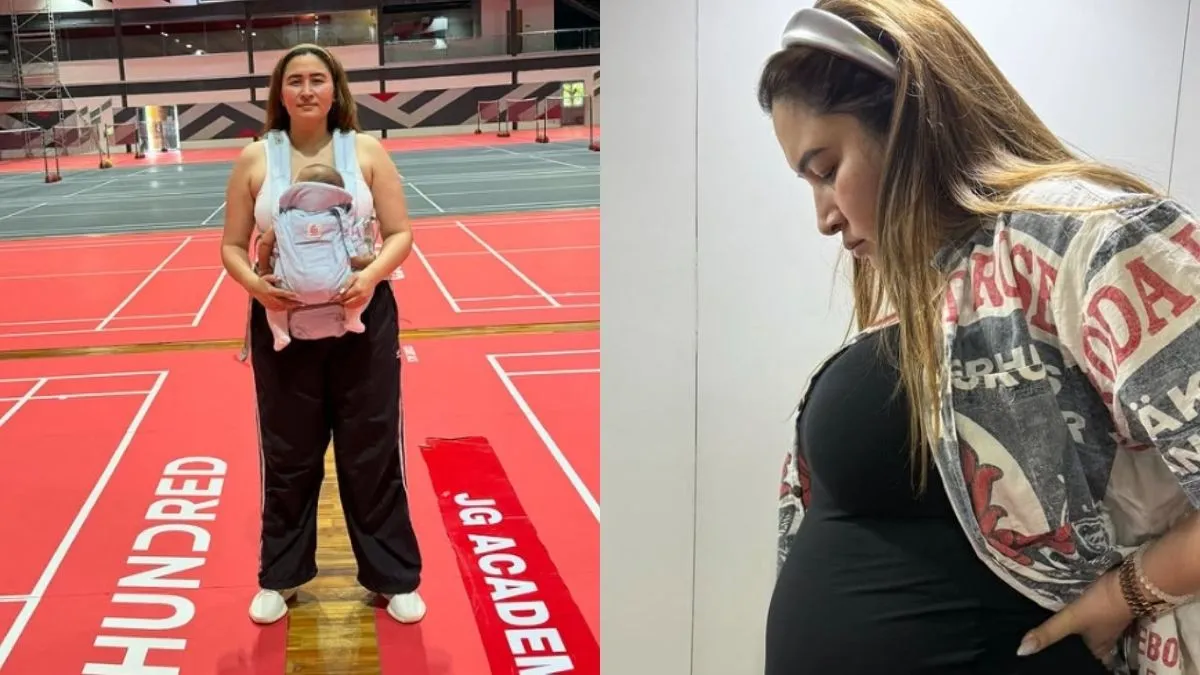
Former Commonwealth Games gold medalist Jwala Gutta has contributed nearly 60 litres of breast milk to public healthcare facilities across Hyderabad and Chennai during her initial postpartum year. Partnering with maternal support groups like the Amirtham Foundation, the iconic badminton doubles player turned her personal transition into motherhood into a powerful public health campaign. Her contribution aims to directly support fragile infants admitted to the Neonatal Intensive Care Unit (NICU) who lack immediate access to maternal nutrition.

Breaking Stigmas around Human Milk Banking

Public health systems in India frequently struggle with severe shortages in pasteurized donor milk networks, an issue the athlete hopes to address by speaking openly about her experience. Gutta, who shares a daughter with actor-producer Vishnu Vishal, showcased her meticulously cataloged and frozen donation packets on social media to normalize the practice. Experts note that donor material undergoes strict screening, pasteurization, and testing to ensure maximum safety before it reaches infant care wards.

Crucial Immunity for Vulnerable Newborns

Medical professionals view human secretions not simply as sustenance, but as protective biological medicine for high-risk infants. According to clinical data, a meager 100 milliliters of screened donor supply can sustain a one-kilogram premature infant for multiple days inside an incubator. This specific intervention provides essential antibodies and enzymes that fortify fragile immune frameworks when biological mothers experience delayed lactation due to stress, surgical deliveries, or physical exhaustion.

Furthermore, medical research indicates that utilizing pasteurized human milk instead of commercial formula reduces the incidence of Necrotizing Enterocolitis by nearly fifty percent. This dangerous, life-threatening intestinal condition predominantly targets vulnerable infants born well before their term.

Strengthening Neonatal Safety Nets

India bears a heavy global burden of preterm births, making institutional access to safe donor networks a critical priority for child survival strategies. Gutta urged healthy lactating individuals to connect with nearby state-run medical facilities to determine eligibility, emphasising that voluntary contributions function identically to blood donation drives in preserving human life.

​​​​​​​Image Courtesy: @ Guttajwala 'x'