Oxygen toxicity suspected after five Italians die underwater
Five Italian scuba divers, including a prominent professor from the University of Genoa, lost their lives inside a 50-meter-deep cave system at Vaavu Atoll. Investigators are reviewing equipment logs to determine if catastrophic oxygen toxicity caused the divers to lose consciousness. Severe weather conditions and deep underwater currents continue to complicate ongoing recovery efforts by local military personnel
Published By : Satya Mohapatra
| May 16, 2026 3:28 PM
Fatal Deep-Sea Expedition
Five Italian citizens, including top academic marine scientists, perished during a deep-sea scuba expedition inside an intricate underwater cave network near Alimathaa Island.Maldivian defense forces launched high-risk search and recovery operations after the group failed to return to their luxury liveaboard vessel, the Duke of York.Local authorities confirmed this event marks the deadliest single diving incident in the history of the Indian Ocean archipelago, a region heavily reliant on marine tourism and strict recreational diving safety boundaries.
Academic Community in Mourning
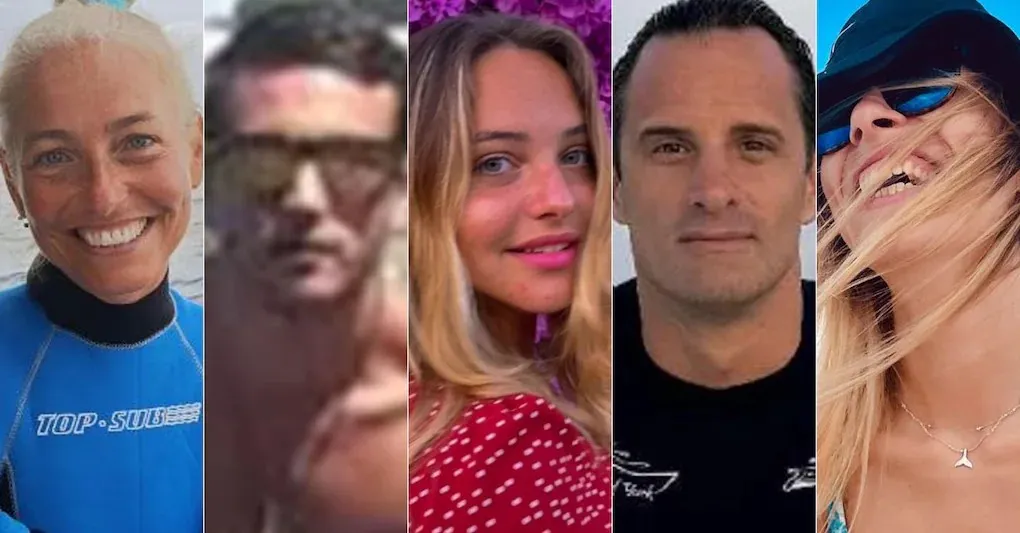
Four victims belonged to a specialized research cohort from the University of Genoa.The deceased include ecology professor Monica Montefalcone, her daughter Giorgia Sommacal, research fellow Muriel Oddenino, and marine biology graduate Federico Gualtieri.Gianluca Benedetti, an experienced local boat operations manager and instructor who left a finance career to work in the tropics, also died.Montefalcone was globally recognized for her dedication to protecting coral environments, frequently using her expertise to monitor the delicate equatorial reefs of the Maldives.
Lethal Risks of Deep Chasm Exploration
Medical experts and dive masters suspect that oxygen toxicity caused the rapid deterioration of the team's cognitive and physical faculties.The group descended approximately 50 to 60 meters below sea level, far exceeding the standard 30-meter boundary enforced for recreational activities across local coral sanctuaries.At extreme depths, the partial pressure of compressed breathing gases alters significantly, turning ordinary oxygen into a potent neurotoxin capable of causing sudden disorientation, muscular spasms, and immediate unconsciousness.
Recovery Hindered By Severe Weather
Rough sea conditions, blinding underwater currents, and strict decompression limits slowed the recovery of the remaining bodies from the subterranean reef chambers. Maldivian coast guard divers, collaborating with incoming European experts and the Divers Alert Network, mapped the multi-chambered coral tunnel structure to navigate the hazardous terrain safely. Local police departments initiated a detailed investigation to inspect the group's specialized technical equipment, gas calibration logs, and safety protocols to identify exact mechanical or physical failures.