
.webp)

Rising Pacific temperatures threaten India with severe climate disruptions
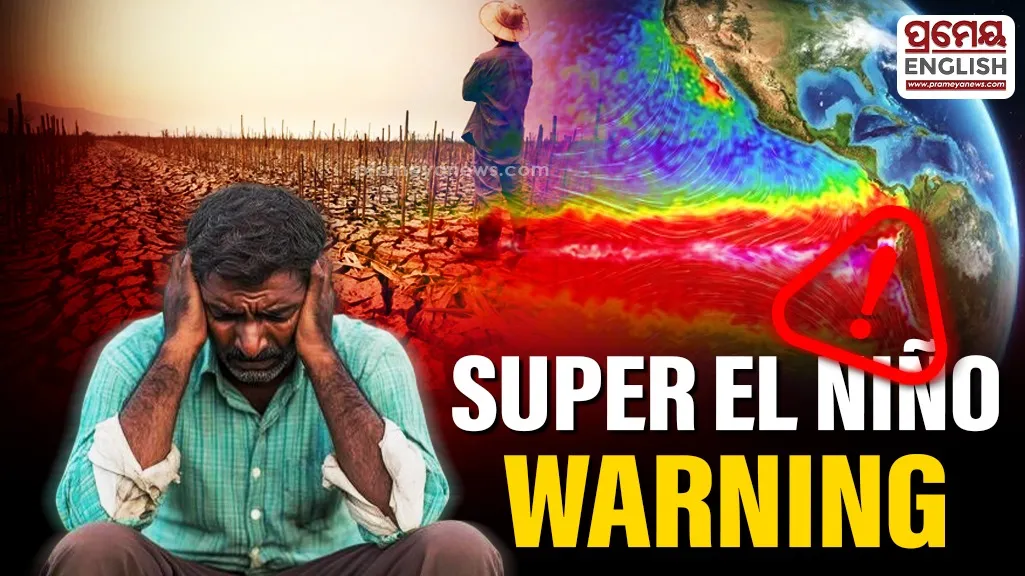
Global climate experts have confirmed rapidly rising Pacific temperatures, warning India of an approaching Super El Niño in 2026. This phenomenon goes far beyond typical seasonal weather changes. It brings a serious threat to Indian communities and agricultural systems. Historically, Odisha faces unique vulnerabilities during such events, often battling severe coastal heatwaves right before unpredictable rainfall bursts. Understanding this shifting weather pattern requires us to look past simple rain forecasts. We must evaluate how these extreme shifts will impact our entire social structure over the coming months.
Navigating Uncharted Temperature Extremes
Researchers at the World Meteorological Organisation confirm this year's warming pattern breaks all previous records. We currently face a completely different global temperature baseline compared to past decades. Forecasters point to a high chance of deficient monsoon rainfall across the subcontinent. Natural ocean buffers that protected India during previous crises are now failing under intense heat. Climate scientists warn this dangerous combination could lead to unprecedented droughts and severe weather across the country by late 2026.
Changing Rhythms of Rural Life
Monsoon rainfall dictates much more than crop yields for Indian states. It serves as a vital timeline for rural communities, shaping local festivals and agricultural credit cycles. When rainfall drops suddenly, these important social connections begin to break down. Failed rains directly impact hydropower generation and everyday rural livelihoods. We must view these weather patterns as deep social disruptions rather than simple agricultural losses.
Learning From Historical Climate Disasters
Past weather events left deep scars across South Asian communities. Historic famines from previous centuries show how severe moisture deficits push rural populations to the brink. Millions suffered when consecutive monsoons failed during these dark periods. Modern supply chains prevent widespread starvation today, but economic trauma still hurts vulnerable regions. These past events remind us why we must prepare heavily for serious climate threats.
Managing Simultaneous Floods and Droughts
Modern global warming creates confusing and dangerous weather paradoxes. Warmer air holds much more moisture, leading to intense localized rainstorms even during dry seasons. India witnessed this exact scenario recently, where specific states faced severe dry spells while coastal cities flooded heavily. Disaster management teams face huge logistical challenges when dealing with water scarcity and flash floods in the same week.
Reviving Traditional Ecological Knowledge
Rural communities have relied on local indicators to predict weather for generations. Farmers watched animal behaviour and plant cycles to prepare for changing seasons. Rapid climate shifts now make these old natural signals completely unreliable. This disconnect weakens community bonds and stops ancestral knowledge sharing. To build real resilience against the 2026 weather shifts, policymakers must integrate traditional water conservation systems, like the katas in Odisha, into modern disaster planning.

.webp)