

Nandan Nilekani will lead new NTA exam reform panel
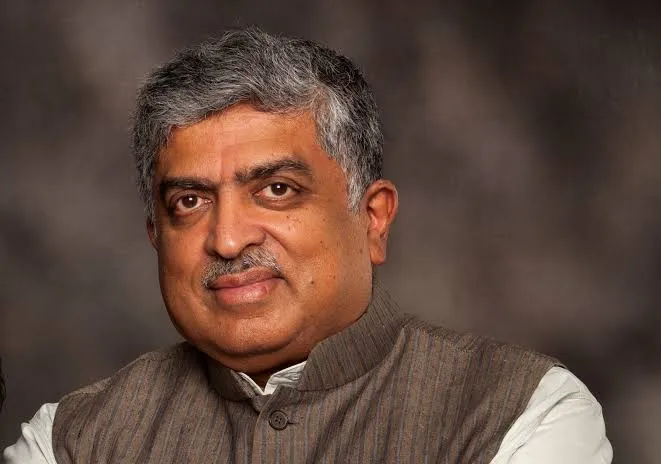
Prime Minister Narendra Modi formed a new expert panel to reform India's public examination system on Sunday. Infosys co-founder Nandan Nilekani will guide this highly anticipated task force. This swift move follows the recent resignation of Union Education Minister Dharmendra Pradhan. He stepped down after seven weeks of intense youth protests over widespread paper leaks. These demonstrations started at Jantar Mantar and quickly gained momentum across the nation. Prominent activists joined the cause, launching extended hunger strikes to support frustrated candidates. Historically, India's competitive exam boards have struggled with infrastructure deficits, making digital transformation critical to secure the futures of millions of rural and urban aspirants.
Tech and Security Experts Join Panel
Members of this newly formed multidisciplinary group possess vast experience in national governance and technological innovation. Former ISRO Chairman S Somnath offers strategic planning expertise. Former Intelligence Bureau Director Tapan Deka delivers deep security insights to prevent future operational breaches. IIT Madras Director V. Kamakoti, former Education Secretary Anita Karwal, and logistics professional Amrit Lal Meena will also contribute their specialised knowledge. Their primary objective involves upgrading the National Testing Agency through modern technology. They must submit practical recommendations quickly to restore public faith in upcoming academic evaluations.
Government officials will introduce updated anti-cheating legislation in the Lok Sabha this coming Monday. This proposed amendment bill strengthens existing 2024 rules with much more severe penalties for organised malpractice. It guarantees time-bound police inquiries and sets up designated fast-track courts to ensure quick justice for all affected youths. Prime Minister Modi publicly emphasised that bad actors who ruined student prospects are already serving time behind bars. Federal authorities remain fully committed to protecting student interests through a combination of cutting-edge technological upgrades and highly robust legal frameworks.