


Seven scholars transformed lab research into strategic semiconductor technology
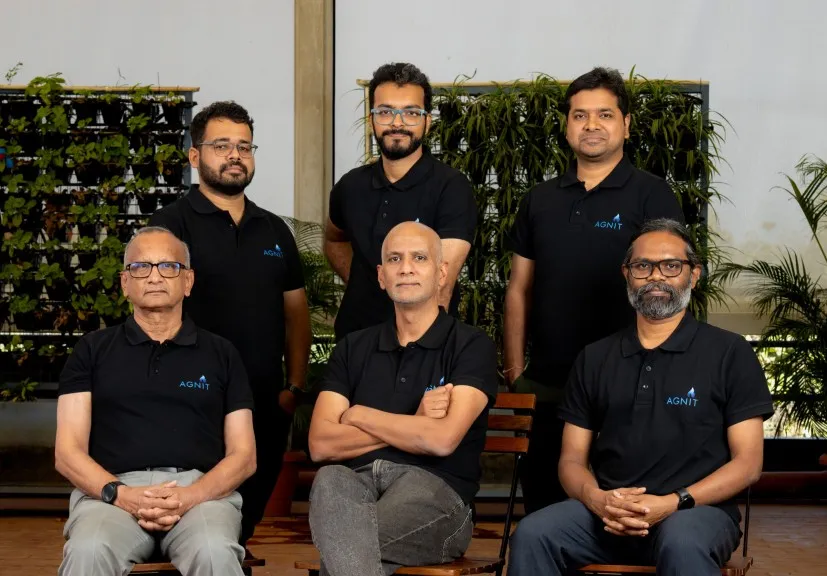
Seven dedicated researchers from IISc Bengaluru invested fifteen patient years to develop indigenous Gallium Nitride technology. This bold initiative effectively reduces national reliance on expensive, imported strategic chips. Long before chip manufacturing became a top priority, these scientists recognized a vital future need for the country. Global supply chain disruptions recently forced nations to secure local electronic components. This mirrors proactive industrial policies in states like Odisha that actively aim to attract high-tech manufacturing investments. This shift highlights why local hardware innovation matters more than ever today.
Persistent research eventually birthed AGNIT Semiconductors. Incubated at IISc and supported by the Ministry of Electronics and Information Technology, this deep-tech startup now constructs critical components. They supply the defence sector while expanding into telecommunications, consumer electronics, and electric mobility.
Breaking Silicon Limits
Most everyday electronic devices currently rely on standard silicon. Gallium Nitride belongs to an advanced category that handles high-power applications and operates at higher frequencies much more efficiently. CTO Digbijoy Nath explains that mastering this technology directly protects sensitive defense infrastructure. It also builds valuable intellectual property. Only a select few countries currently possess these specialized capabilities, making indigenous development crucial for national security.
Transitioning From Lab to Market
Creating hardware requires intense precision and patience. Unlike software updates, a single physical design flaw can waste millions of dollars and months of effort. CEO Hareesh Chandrasekar points out that transitioning from science experiments to real-world performance brings unique commercial challenges. Recent seed funding from 3one4 Capital will help the team scale their manufacturing capabilities. The company recently signed a major contract with the Defense Ministry for next-generation wireless transmitters.
Relying constantly on foreign suppliers leaves critical defense and communication systems vulnerable. By designing components locally, engineers can follow customized roadmaps instead of settling for off-the-shelf foreign parts. Professor Madhusudan Atre advises that developing hardware demands sustained support over many years to turn abstract scientific concepts into commercially useful products. Ultimately, these scientists proved that long-term dedication creates truly valuable assets for the entire country. Their success offers a strong blueprint for future innovators.