



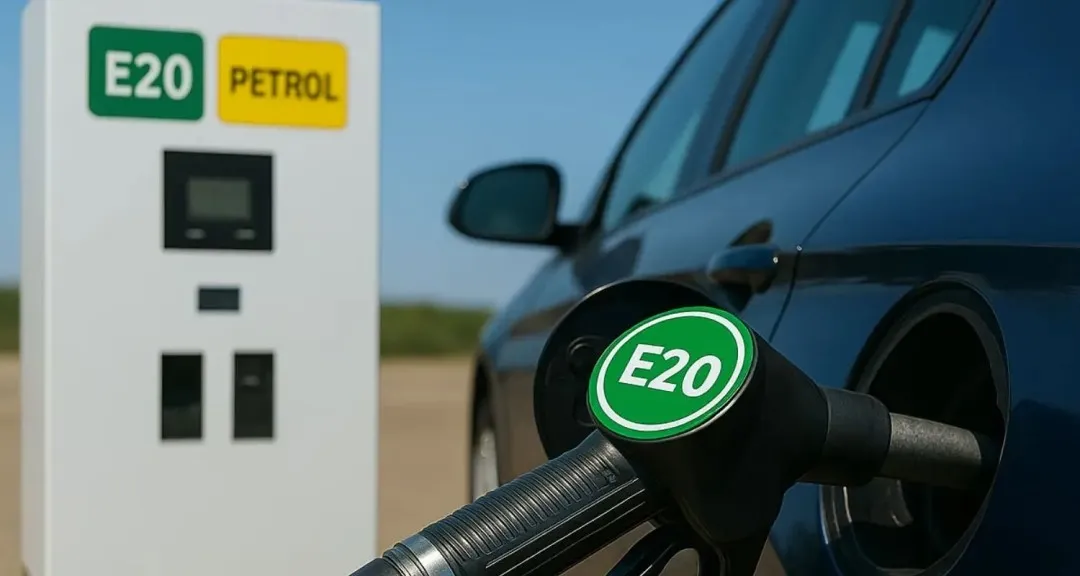
Government evaluates E20 fuel outcomes while defending blending policy
Attorney General R Venkataramani informed the Supreme Court on Tuesday that mixing twenty percent ethanol into petrol remains an experimental initiative, with concrete results expected by next year. His statements surfaced during a hearing regarding a petition filed by Bharat Petroleum Corporation Limited. BPCL challenged a recent Karnataka High Court directive concerning ethanol allocation for the upcoming supply cycle.
Legal Hurdles over Supply
Defending the national energy strategy, Venkataramani requested permission for a transfer petition to settle the dispute swiftly. He noted that supply contracts are due for renewal in October, and waiting for multiple high court rulings would disrupt the national E20 ethanol blending programme. Shortly after the court session, he clarified that while supply volumes might fluctuate, the twenty percent blending objective stands firm.
Odisha and other agriculturally rich states stand to benefit heavily from this green push, as local farmers supply the core raw materials like broken rice for biofuel production. India already achieved its initial blending target five years early. Authorities now aim for a thirty percent mix by the end of the decade.
Oil Ministry representatives recently dismissed rumors suggesting that E20 fuel could invalidate vehicle insurance policies. Officials firmly stated that these green mobility efforts remain perfectly safe for consumers. Transitioning to domestically produced biofuels has successfully saved the country over one lakh crore rupees in foreign exchange by cutting down crude oil imports. This ongoing initiative continues to prioritize cleaner mobility.