
.webp)

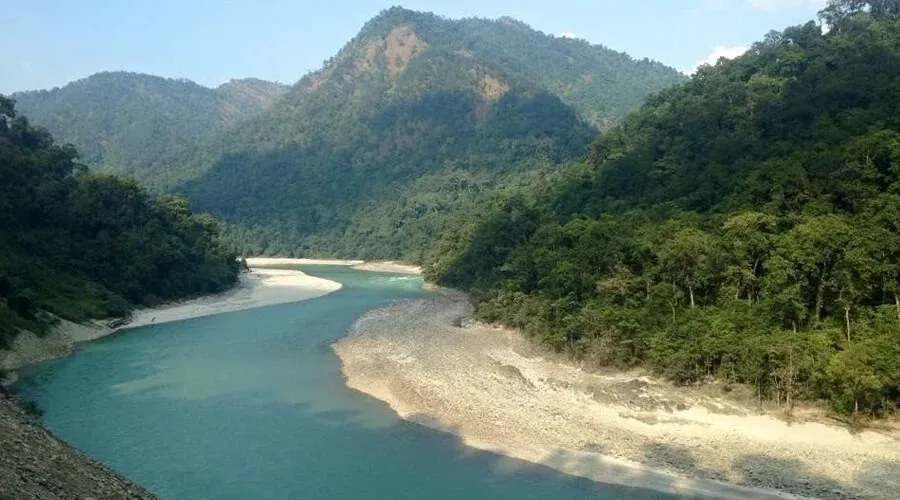
Dhaka prioritises stable diplomatic ties while pushing Teesta resolution
Dhaka remains committed to preserving strong diplomatic bonds with New Delhi, even as disagreements over transboundary river resources persist. Water Resources Minister Shahiduddin Chowdhury Anee emphasised Bangladesh wants to avoid any diplomatic deterioration over the long-delayed Teesta water sharing agreement. Speaking at a recent seminar, he urged Indian policymakers to consider mutual regional needs when addressing cross-border policies. "The neighbouring country is a friendly country," Anee stated. "They have to think that while they have their interests, we also have ours. A friend should protect the interests of a friend. We never want our friendly relations with them to deteriorate."
Diplomatic and Regional Needs
India and Bangladesh have debated sharing these vital waters for decades, failing to reach a permanent consensus since an initial 1983 interim arrangement allocated 39 percent of the flow to New Delhi and 36 percent to Dhaka. Organised jointly by the Ministry of Water Resources and the Bangladesh University of Engineering and Technology, the recent seminar focused on sustainable management strategies. Officials are currently evaluating a proposed restoration project, supported by China, designed to combat severe dry-season shortages and annual flooding.
Populations across five to six northern districts hold high expectations for a rapid resolution after suffering through years of intense river erosion. Anee noted that failing to execute a viable management strategy will only multiply the damage faced by vulnerable families in these regions. Government officials plan to base their upcoming concrete actions on expert recommendations gathered since the February elections. Moving forward requires decisive action to stabilise the basin and protect local agricultural communities who rely entirely on predictable water flows.
"Whether it is called the Teesta treaty or the Teesta master plan, or whatever is necessary to implement this project, we will move towards implementation," Anee confirmed.
.webp)