

.webp)


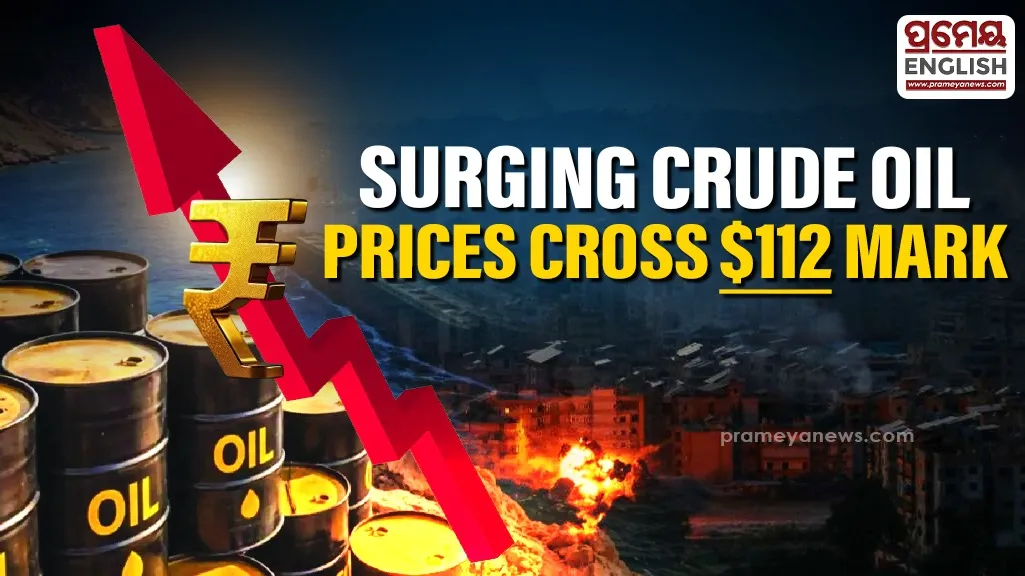
Escalating Middle East tensions push fuel costs drastically upward
Global crude oil prices have skyrocketed to their highest point in almost four years, reaching a staggering $112.19 per barrel for Brent crude. Since July 2022, energy markets have not witnessed such a dramatic peak. This massive jump stems directly from the intensifying conflict involving Iran, Israel, and the United States. Widespread supply disruptions across the Middle East, particularly Iraq declaring force majeure on foreign-developed oilfields, are adding extreme pressure to the ongoing energy market crisis. This international chaos will heavily influence petrol and diesel rates globally, with inevitable ripple effects reaching regional markets and impacting fuel prices.
Fierce clashes are severely damaging critical energy infrastructure across neighboring countries, including Saudi Arabia, Kuwait, and Qatar. Recent retaliatory strikes knocked out nearly 17% of Qatar’s LNG capacity, a devastating blow that could take up to five years to fully repair. Roughly 20% of the worlds liquefied natural gas and oil passes through the Strait of Hormuz. Because this vital shipping lane faces severe restrictions, financial analysts predict the fuel cost impact will remain overwhelmingly negative, pushing prices even higher.
Finding a rapid solution to stabilise the market remains incredibly difficult due to the extensive physical damage inflicted on regional production facilities. Top US energy officials, including Secretary Chris Wright, suggest that lifting sanctions on stranded Iranian waterborne cargoes might bring some relief to Asian markets within a few days. Similarly, Treasury Secretary Scott Bessent hinted at releasing more barrels from the Strategic Petroleum Reserve over the coming months to combat the squeeze.
Despite these potential emergency measures, International Energy Agency head Fatih Birol cautions that restoring normal flows from the Gulf might require up to six months. Tensions are further inflamed by reports that the US government is actively considering blockading Iran's Kharg Island. Meanwhile, separate conflicts, such as recent Russian strikes on Ukrainian gas facilities, continue to choke global supply.
With Agency Inputs
.webp)