


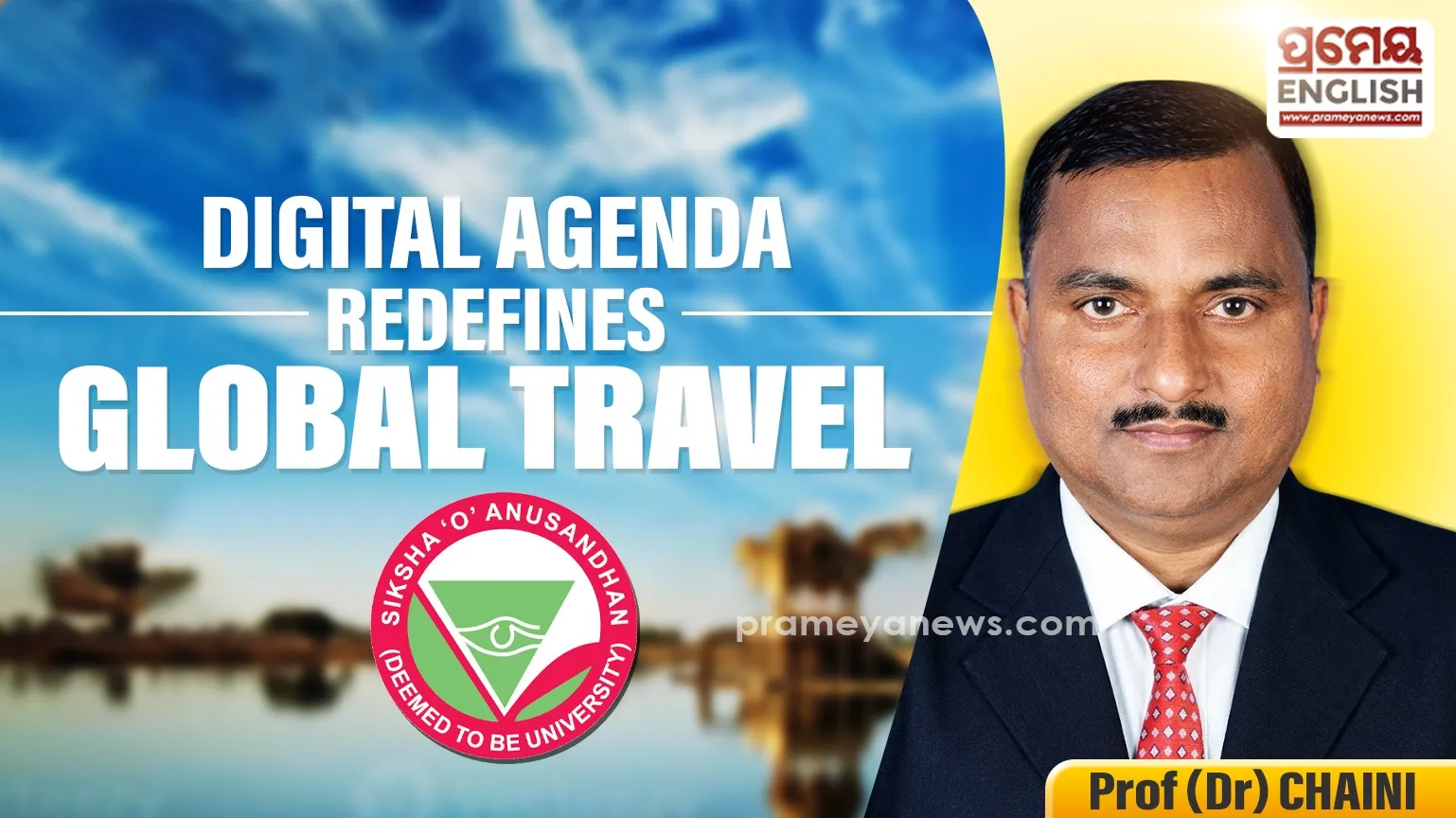
Digital innovation and artificial intelligence reshape sustainable global travel
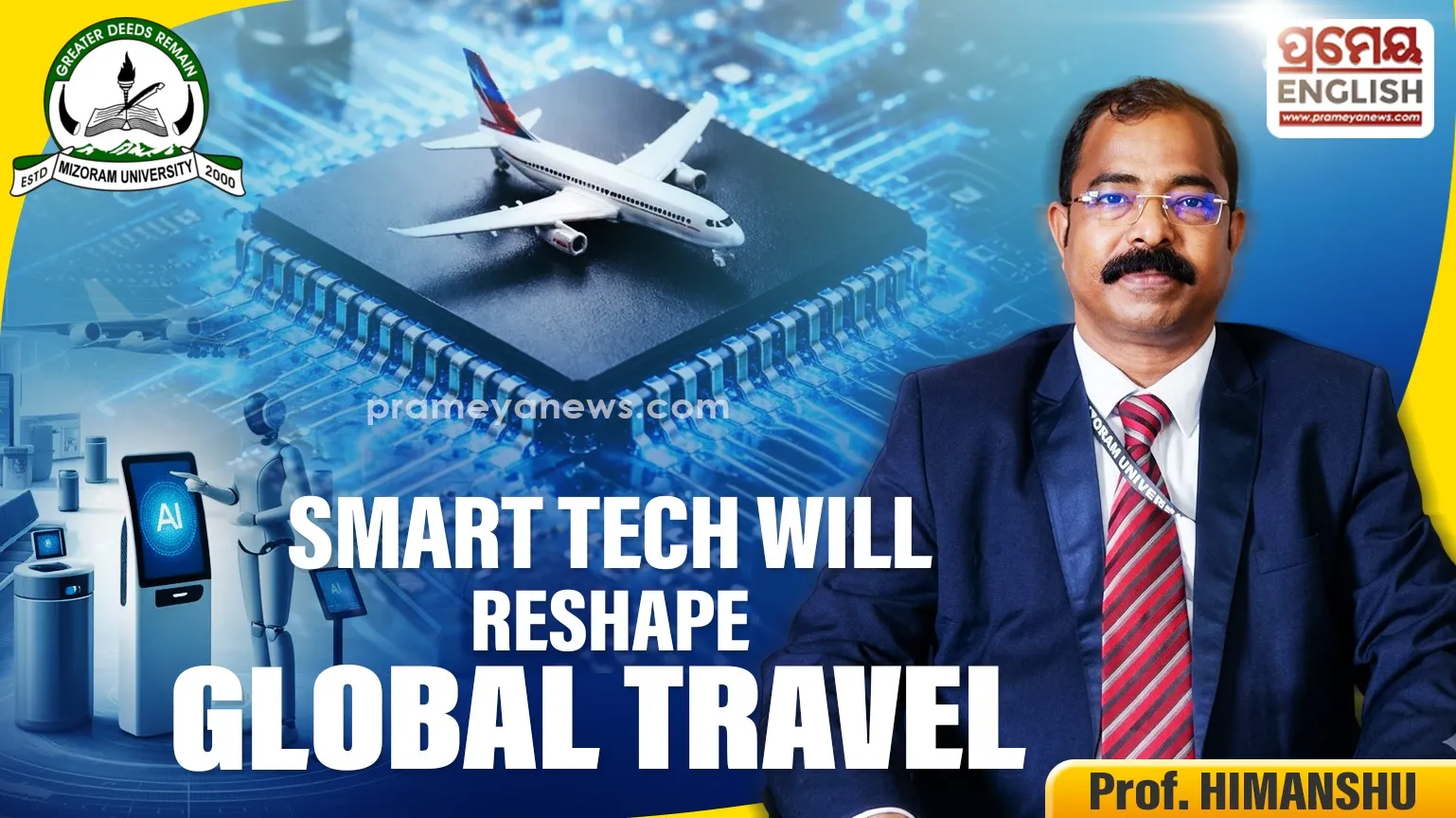
World Tourism Day 2026 places digital innovation at the core of global travel planning and economic growth. UN Tourism highlights how artificial intelligence reshapes destination management, moving beyond basic efficiency to create fairer, more resilient communities. This year's official observance brings government leaders together to discuss responsible technology integration within the travel sector. The 2026 theme, focusing on the digital agenda, proves that emerging technology can optimize resources and guide ethical development.
Smart technology drives economic progress
Travel functions as a primary engine for national expansion, generating critical revenue streams and creating widespread employment opportunities across diverse demographics. Local infrastructure often expands directly in response to visitor demands, bringing necessary development to previously unexplored destinations. While these economic activities boost regional prosperity, they demand careful and responsible oversight. Planners must guarantee that native populations retain complete control over their environmental resources, traditions, and ancestral lands. Properly managed travel initiatives actively protect unique cultural heritage rather than erasing it.
Digital tools support sustainable travel
Modern tourism relies heavily on advanced digital tools to personalize visitor experiences, analyze operational data, and streamline daily services. Embracing these technological advancements allows the global industry to construct smarter, highly sustainable frameworks that benefit everyone. Artificial intelligence gives decision-makers a flexible platform to protect ecological zones while supporting grassroots economies directly. By integrating digital solutions thoughtfully, stakeholders can elevate traveler experiences and safeguard our natural environment simultaneously. Adopting smart technology today guarantees stronger, highly inclusive travel ecosystems for future generations.
With inputs from: Prof Dr Susanta Ranjan Chaini, Dean, Faculty of Hospitality and Tourism Management, School of Hotel Management, Siksha ‘O’ Anusandhan Deemed to be University, Bhubaneswar