

.webp)


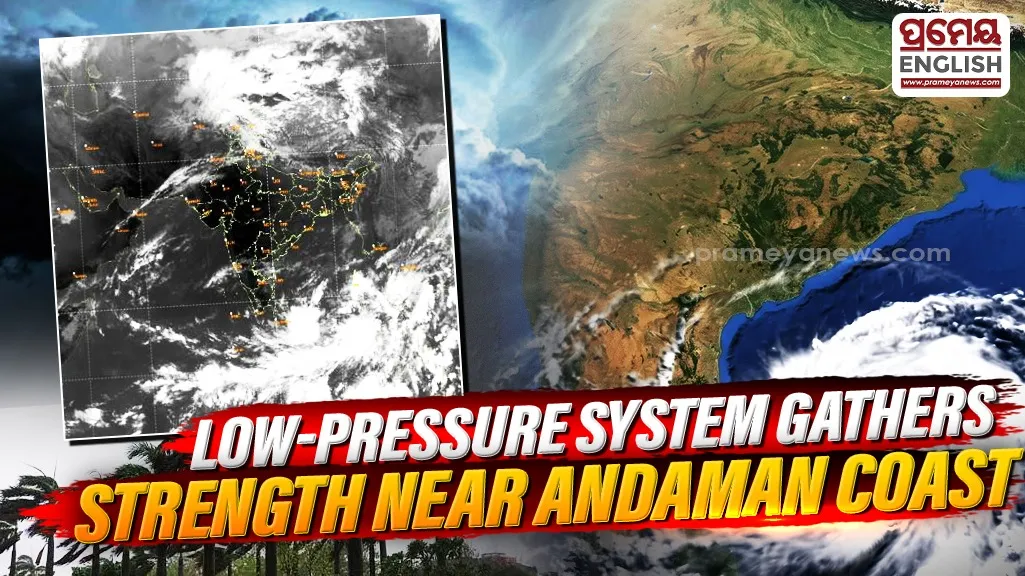
Fresh satellite data reveals rapid storm development bringing severe squalls
Fresh thermal imagery from INSAT-3DS confirms rapid cloud organization as a new low-pressure area over Andaman Sea waters gathers strength. India Meteorological Department officials detected this formation early Friday at 5:30 am IST. The weather system developed from an upper-air cyclonic circulation near central Andaman and Nicobar Islands. Meteorologists expect this disturbance to travel northwest, potentially consolidating into a well-marked system by Saturday, November 14. Forecasts suggest it will likely upgrade into a full depression by Sunday. The Bay of Bengal frequently spawns highly unpredictable tropical disturbances during this post-monsoon window, making continuous monitoring essential for disaster preparedness.
Squally conditions threaten coastal regions
Dangerous weather will sweep through marine sectors over the coming days. Weather scientists forecast wind speeds hitting 40 to 50 kilometres per hour, potentially gusting up to 60 kmph, across the Andaman Sea today and tomorrow. Similar turbulence will lash southeast sections of the bay until Monday, November 16. Southwest zones will face stronger gales ranging from 45 to 55 kmph, with gusts peaking at 65 kmph between November 15 and 17. Central marine sections will experience comparable turbulence early next week.
Crucial window for storm escalation
Oceanic heat and atmospheric variables will ultimately decide if this depression escalates into a cyclone. Forecasters state the upcoming 48 hours remain critical for tracking exactly how fast this deep cloud structure consolidates. Weather teams continue analyzing real-time satellite feeds from orbit to issue prompt warnings. Fishing communities have been advised to exercise extreme caution, as continued vigilance remains the top priority for maritime operations this week.
.webp)