



Ukrainian drone attacks halt critical Russian maritime trade routes
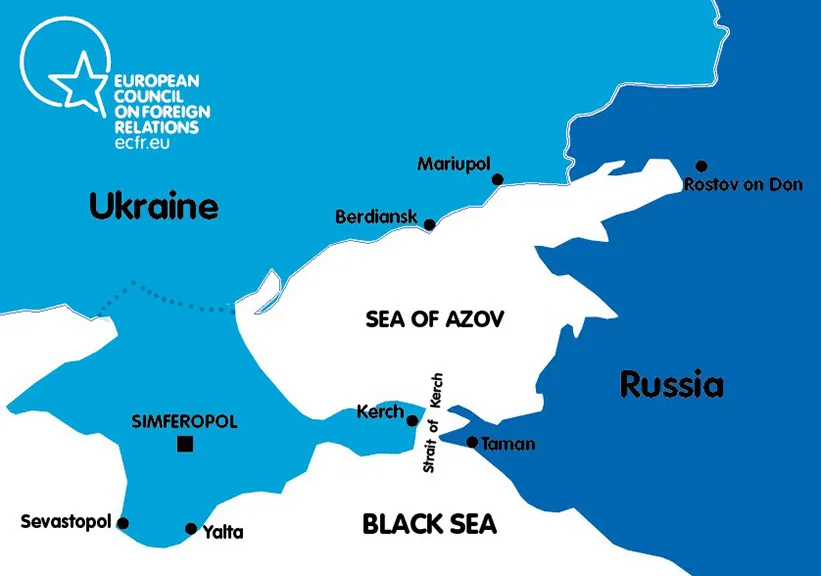
Ukrainian forces have effectively halted Russian cargo traffic by launching relentless drone strikes against vessels navigating crucial maritime channels. Recent operations targeted over one hundred ships, forcing Moscow to suspend traffic through key chokepoints like the Don-Azov channel and the Kerch Strait. This aggressive sea denial strategy aims to cut off vital fuel supplies to occupied territories and disrupt agricultural exports.
Choking Strategic Waterways
Kyiv relies on armed autonomous watercraft to attack enemy infrastructure. Military leaders confirm these drone strikes target commercial ships operating within contested waters. For decades, global powers have recognized the Kerch Strait as a geographical chokepoint that dictates naval access to inland river networks and the Black Sea. By turning this narrow passage into a high-risk combat zone, Ukrainian commanders are progressively isolating enemy bases while applying severe economic pressure on Moscow.
Drawing Global Parallels
Military analysts compare this blockade approach to actions taken in the Middle East. Iran previously demonstrated how controlling the Strait of Hormuz could threaten global oil markets by threatening commercial vessels. Ukraine is applying similar logic to the Sea of Azov, using asymmetrical warfare to disrupt maritime logistics. However, unlike Iranian forces firing from their own unchallenged coastline, Ukrainian troops must coordinate long-range attacks under constant threat of enemy air defense.
Disrupting Enemy Logistics
This tactical shift creates major logistical headaches for Russian forces attempting to supply their frontline units. With railway lines frequently damaged and bridges heavily monitored, sea transport remained the last reliable option for moving heavy equipment and refined fuel. Severing this maritime supply chain forces enemy commanders to rely on vulnerable overland routes.
Western intelligence officials note that this targeted campaign also affects global food shipments, as closed waterways delay grain exports destined for international markets. Historically, inland navigation routes connecting the Black Sea to industrial centers have always been critical to regional economic survival during times of conflict. By maintaining constant pressure on these naval routes, Kyiv hopes to steadily degrade enemy operational capacity before ground troops engage. Restricting this essential passage creates severe ripple effects, slowing down everything from troop reinforcements to commercial commodity trading.
Image Courtesy: From Public Domain