

New Zealand lawmakers clear trade pact benefiting Indian exports
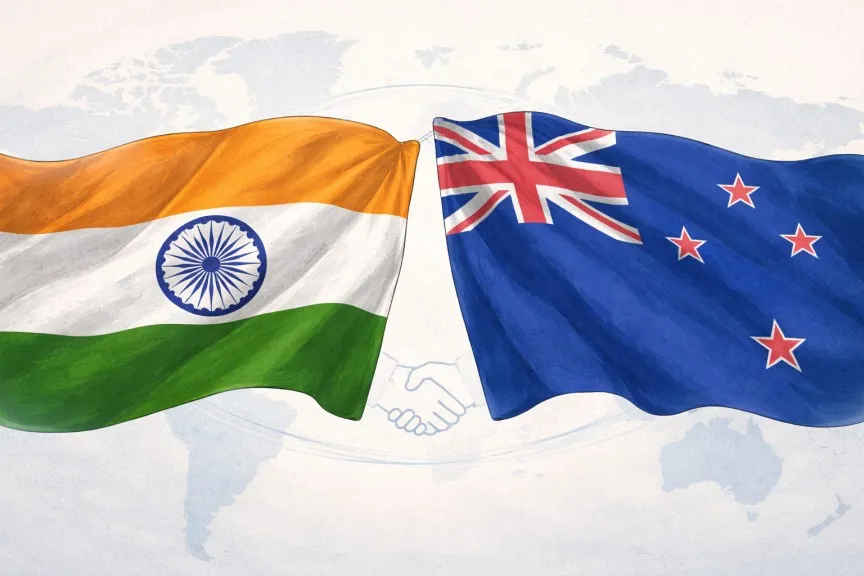
Lawmakers in Wellington successfully passed legislation on Wednesday to operationalize a historic free trade agreement with New Delhi. Voting concluded with a decisive 93-29 margin, drawing crucial backing from opposition Labour Party members of parliament. Indian authorities expect this high-value economic partnership to officially activate around October 19. Historically, protective tariffs have restricted market access between these two Commonwealth nations, making this mutual reduction a significant shift in Indo-Pacific trade strategy. Under this finalized framework, 100 percent of Indian goods will gain zero-duty entry into New Zealand markets immediately upon implementation. Exporters specialising in textiles, automobiles, leather, engineering goods, and processed foods stand to gain immense competitive advantages.
New Zealand exporters secure market access
Trade Minister Todd McClay welcomed the legislative victory, predicting "immediate and substantial" benefits for local industries. Duties on approximately 95 percent of outbound shipments to India will either disappear entirely or face drastic cuts. Exactly 57 percent of these designated products will enjoy duty-free status from day one. Agricultural producers in Wellington are particularly optimistic, with kiwifruit growers calculating savings of 72 million US dollars over a five-year window.
While extending lucrative concessions, Indian negotiators successfully retained defensive safeguards around domestic agriculture and dairy markets. This balanced approach ensures local farmers remain shielded from sudden import surges. Currently, bilateral commercial volume hovers around 2.29 billion US dollars annually, ranking India as the ninth-largest destination for goods and services from Wellington. Beyond tariff elimination, this legislation locks in a serious financial commitment. Wellington pledged to inject 20 billion US dollars into Indian infrastructure and commercial ventures over the next 15 years. Both governments are currently finalising operational procedures to guarantee smooth cross-border transactions once the designated launch date arrives.