
.webp)


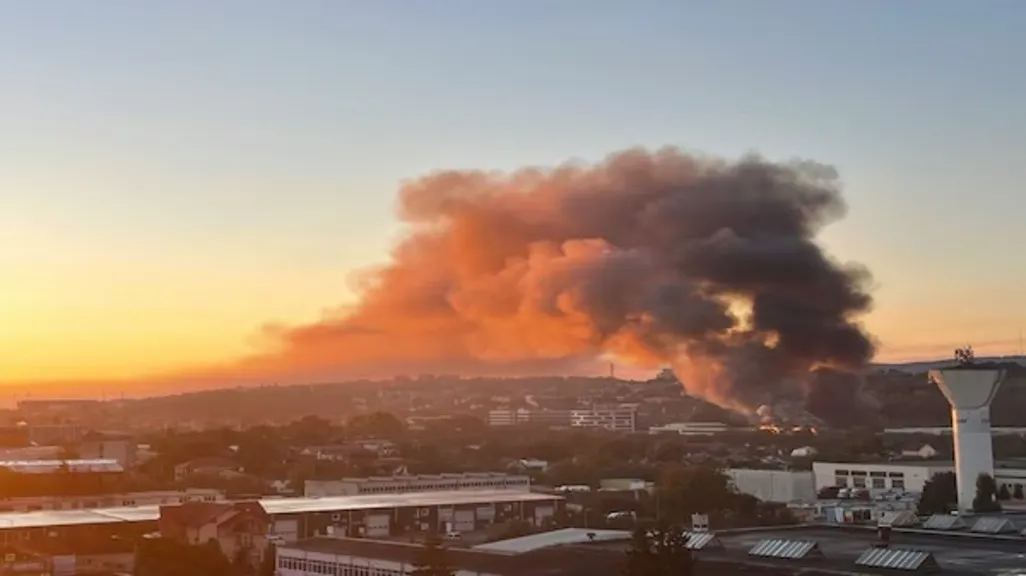
Escalating Conflict Plunges Gulf Region into Chaos
Recent American airstrikes against Iranian military installations have triggered a harsh wave of retaliatory drone and missile attacks from Tehran. United States forces under Central Command targeted over 140 specific locations belonging to the Islamic Revolutionary Guard Corps (IRGC). Commanders focused on neutralizing radar networks, communication arrays, and coastal weapon systems. Iran swiftly struck back, launching numerous projectiles at American command centers and military bases situated in Kuwait, Jordan, and Bahrain. Air raid sirens blared through Bahraini skies early Monday morning. Simultaneously, Jordanian air defense units successfully intercepted multiple incoming hostile threats before they could hit their intended marks.
Dispute Over Vital Shipping Routes
Tensions originally flared after Iranian naval forces assaulted a commercial container vessel navigating the Strait of Hormuz, forcing its crew to abruptly abandon ship. Both nations currently claim absolute control over this narrow waterway, which historically serves as a critical global energy artery. Rising crude prices linked to Hormuz disruptions threaten to increase import costs for Indian state refineries, including those operating near the Paradip port in Odisha. While Washington insists the maritime corridor remains completely accessible to international commercial shipping, senior Iranian military leaders declared the crucial passage indefinitely closed to foreign vessels.
Regional Interception Operations Expand
Defense ministries across the affected Arab nations quickly mobilized their respective anti-air batteries to shield civilian and military infrastructure. Kuwaiti army officials reported successful engagements with hostile aerial targets, though falling debris slightly injured one offshore oil rig worker. Jordan explicitly confirmed shooting down four distinct rockets before they could strike the Prince Hassan Air Base. American military planners assert their primary tactical objective remains protecting international trade channels from coordinated hostile interference. Meanwhile, regional diplomats scramble desperately to salvage a fragile interim peace agreement before open warfare engulfs the entire Middle East.
.webp)