
.webp)


Court rejects plea stopping police from removing Khamenei posters
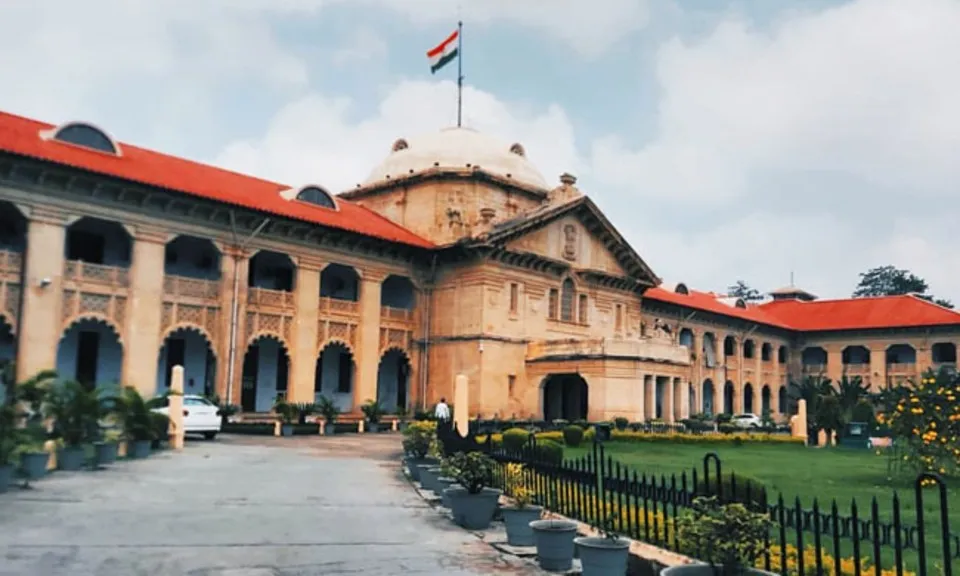
Judges at the Allahabad High Court recently dismissed a petition aiming to stop Uttar Pradesh law enforcement from taking down posters of Iranian religious figures. Justices Rajan Roy and Manjive Shukla noted that the public interest litigation lacked specific details. Representatives had complained about police officers unlawfully interfering when citizens put up pictures of late Supreme Leader Ayatollah Seyyed Ali Khamenei on private walls and commercial properties.
Khamenei lost his life in US-Israeli airstrikes earlier this year, creating severe geopolitical shockwaves that resonate deeply within Shia communities worldwide, including parts of India where peaceful mourning gatherings frequently occur. Because of these intense global events, local religious groups sought urgent judicial protection for their cultural displays to ensure community members could mourn without fear of local police intimidation.
Vague claims fail to secure judicial relief
Court documents revealed that the petition made general accusations without showing exact locations where local officers removed banners. The judicial bench explained they could not possibly rule on such broad, unsupported complaints. They firmly advised that individuals facing actual harassment or illegal property interference from any officer should file specific legal complaints instead of relying on broad public interest litigation.
Demands from local religious organizations
Majlis Ulema-E-Hind originally filed the case to protect the lawful display of prominent global spiritual leaders like Khamenei and Ayatollah Seyyed Ali Al-Sistani during religious mourning periods. They wanted district police chiefs and station house officers officially ordered to stop detaining people who peacefully showcase these important images. Ultimately, the judges concluded that existing state laws already provide adequate remedies for direct individual grievances, making this blanket request entirely unnecessary for the court to entertain.
.webp)