
.webp)

US officials confirm changing strategies regarding Iranian nuclear negotiations.
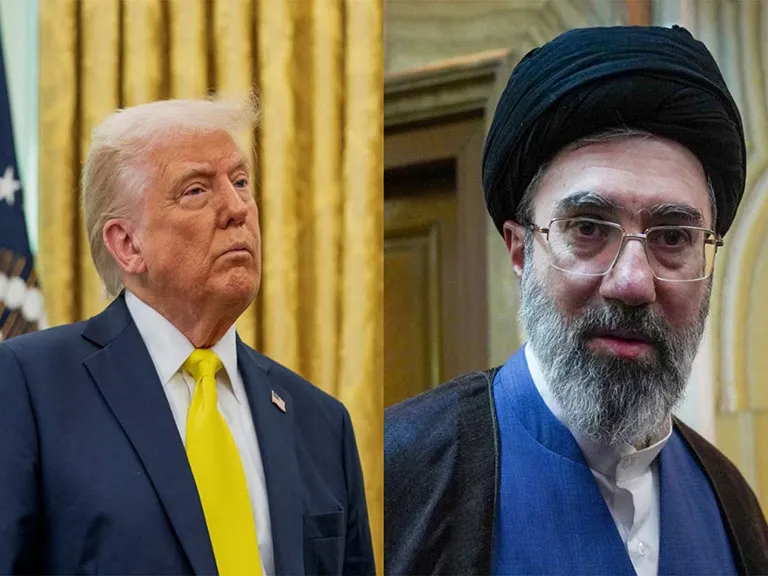
President Donald Trump is reportedly prepared to abandon demands for a new Iranian nuclear agreement if Tehran fully reopens the Strait of Hormuz. US officials indicate that Washington has shifted its primary focus from halting uranium enrichment to resuming commercial maritime traffic. Geopolitically, the Strait of Hormuz handles roughly a fifth of global oil shipments, making its closure a critical pressure point for international energy markets.
Trump believes Iranian capabilities remain deeply crippled after American forces destroyed three primary nuclear facilities during the brief 2025 conflict. He recently told senior aides that US intelligence would immediately detect any secret effort to rebuild these sites or build a bomb. Because of this, the White House feels confident extending the current ceasefire indefinitely as long as international shipping lanes clear up completely.
New Demands from Tehran
Securing an open waterway remains highly difficult. Iran has laid out strict new conditions before allowing normal transit to resume. Islamic Revolutionary Guard Corps leaders refuse to lift their blockade until Washington pays war reparations and unfreezes seized financial assets. Iranian Foreign Minister Abbas Araghchi confirmed that while transit discussions with Oman are progressing, full reopening depends entirely on financial compensation from the United States.
Impact On Global Shipping
Holding the strait closed gives Iranian leadership significant negotiating leverage over the West. Recent missile and drone attacks heavily disrupted international logistics and spiked global fuel prices right before the US midterm elections. If both sides eventually find common ground, the United States will end its naval blockade of Iranian ports in exchange for free commercial passage. However, government officials warn that a final resolution remains complicated since paying direct war reparations crosses a strict political line for the current administration in Washington.
.webp)