


Top court divides elevator liability between manufacturers, builders, and maintenance agencies
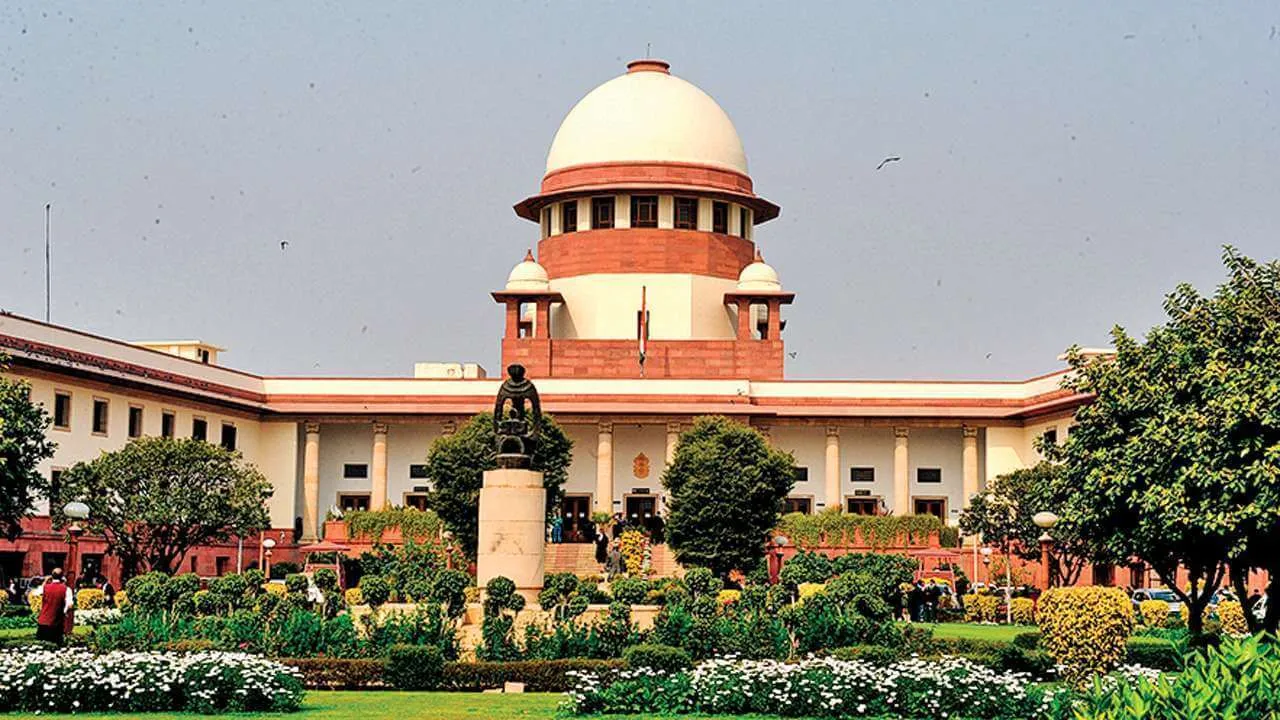
Liability for elevator accidents no longer rests on a single party, as the Supreme Court ruled that blame must be shared among manufacturers, maintenance agencies, and building owners. Delivering a landmark verdict, a bench of Justices PS Narasimha and Alok Aradhe dismissed an appeal filed by Otis Elevator Company (India) Ltd. The decision upholds a 2014 ruling by the National Consumer Disputes Redressal Commission regarding a fatal 2003 accident at the Research and Analysis Wing headquarters, which claimed the life of officer Vipin Handa.

Vertical expansion in modern cities makes elevators an indispensable part of daily urban infrastructure. Treating elevators similarly to public transport, the bench noted that passengers place complete trust in these systems once inside. Victims face zero obligation to untangle complex operational faults or determine individual blame. Instead, affected families can claim full compensation from any responsible party, leaving those entities to sort out internal liability divisions later.
Uncovering the Root Causes
The tragic incident unfolded due to persistent voltage fluctuations that trapped passengers between floors. While rescue efforts were underway, the elevator moved unexpectedly, leading to the fatal entrapment. Official investigations revealed that electrical fluctuation issues remained unresolved for eight months. Although the elevator manufacturer pointed fingers at human error and argued that users failed to install a voltage stabiliser, judicial scrutiny exposed a documented history of recurring technical faults. Neither the maker nor the oversight bodies declared the equipment unsafe or fixed the underlying mechanical defects.
Judicial accountability extended beyond commercial entities to administrative bodies, holding the Military Engineering Services accountable for weak supervision. Furthermore, government departments faced sharp criticism for ignoring multiple safety complaints over a prolonged period. Final financial liabilities were distributed strictly: seventy percent fell on the elevator manufacturer, twenty-five percent on the engineering service, and five percent on the government department. The family will receive three crore one lakh rupees in compensation, carrying a nine percent annual interest rate dating back to the incident, jumping to twelve percent if settlement terms are breached past ninety days.