Washington DC [US], August 16: American aerospace company SpaceX achieved a major operational milestone by launching two Falcon 9 rockets from opposite coasts of the United States just 38.5 minutes apart, setting a new company record for the shortest gap between orbital missions.
The dual launches, executed on Saturday evening (local time), shattered SpaceX's previous dual-launch record of 65 minutes established in August 2024, showcasing the firm's rapid operational cadence and reusable rocket capabilities.
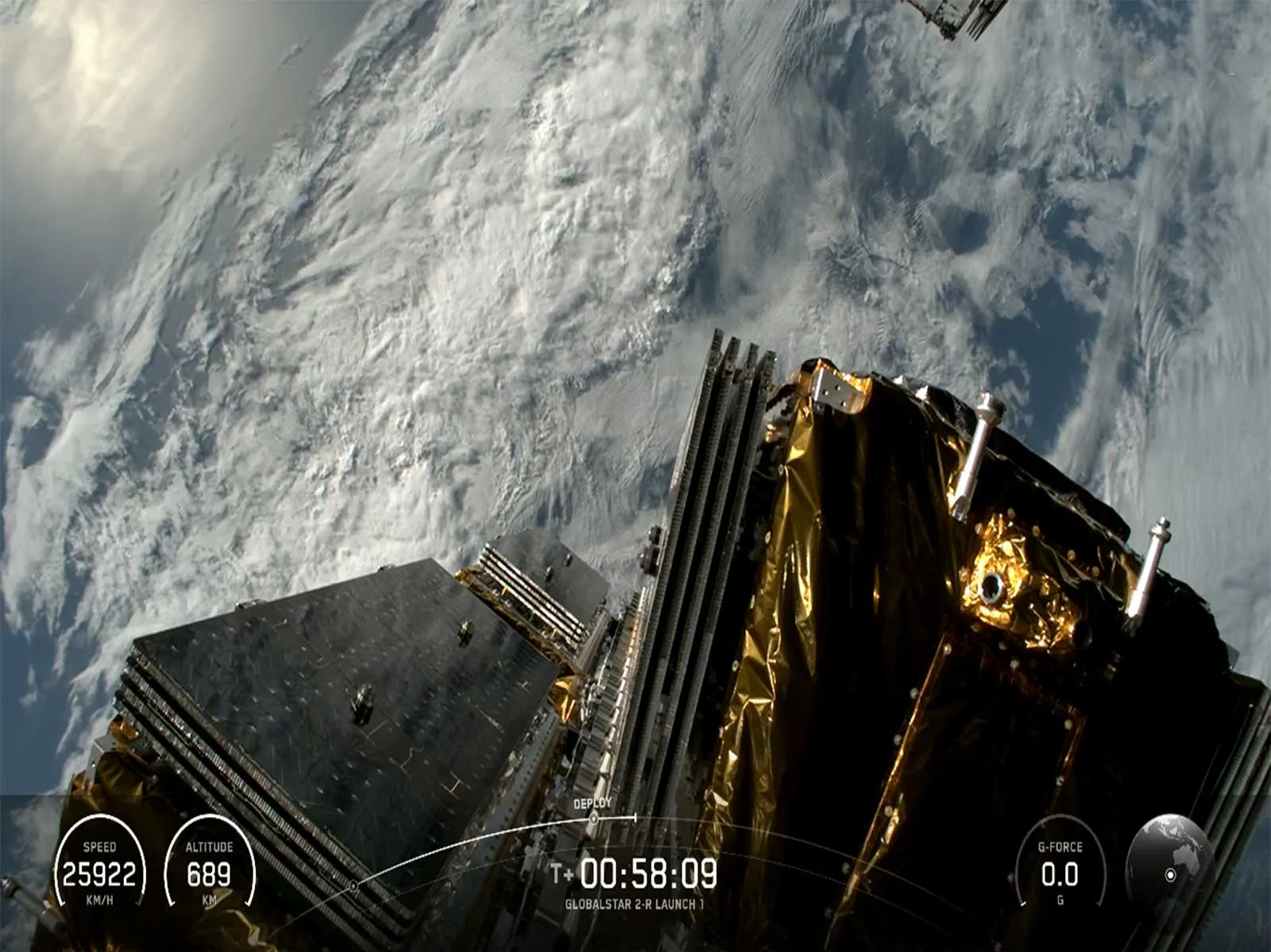
The first mission lifted off from Florida's Cape Canaveral Space Force Station at 9:12 pm EDT (0112 GMT Sunday), carrying eight low Earth orbit (LEO) satellites for satellite communications company Globalstar. The satellites successfully deployed over a six-minute window beginning roughly 56 minutes post-liftoff, expanding Globalstar's constellation infrastructure.
Just 38.5 minutes later, at 9:50 pm EDT (0150 GMT Sunday), a second Falcon 9 rocket launched from Vandenberg Space Force Base in California, carrying the classified USSF-366 payload for the US Space Force.
Both missions featured precise landings of the Falcon 9 first-stage boosters, furthering SpaceX's booster recovery achievements.
Globalstar Booster (B1090) completed its 14th mission before executing a vertical touchdown at Cape Canaveral's Landing Zone 40 approximately eight minutes after launch.
USSF-366 Booster (B1088) completed its 18th flight and landed on the autonomous droneship "Of Course I Still Love You" stationed in the Pacific Ocean. The recovery marked the 650th successful Falcon booster landing in SpaceX history.
The Globalstar deployment, which had been deferred from an earlier May timeline for satellite preparation, provides critical network continuity for direct-to-device communications services.
Globalstar Chief Executive Paul E Jacobs hailed the successful deployment as a vital step in bolstering the infrastructure that underpins global consumer and enterprise communications. The launch also comes as Globalstar moves toward a planned acquisition deal with Amazon to support its satellite broadband initiatives.
Saturday night's dual launch brought SpaceX's total mission count for 2026 to 96 orbital flights, reinforcing its dominant share in the global commercial launch market.


.webp)

.webp)