


Master Ganjapa artist Satyanarayana Maharana receives high cultural honour
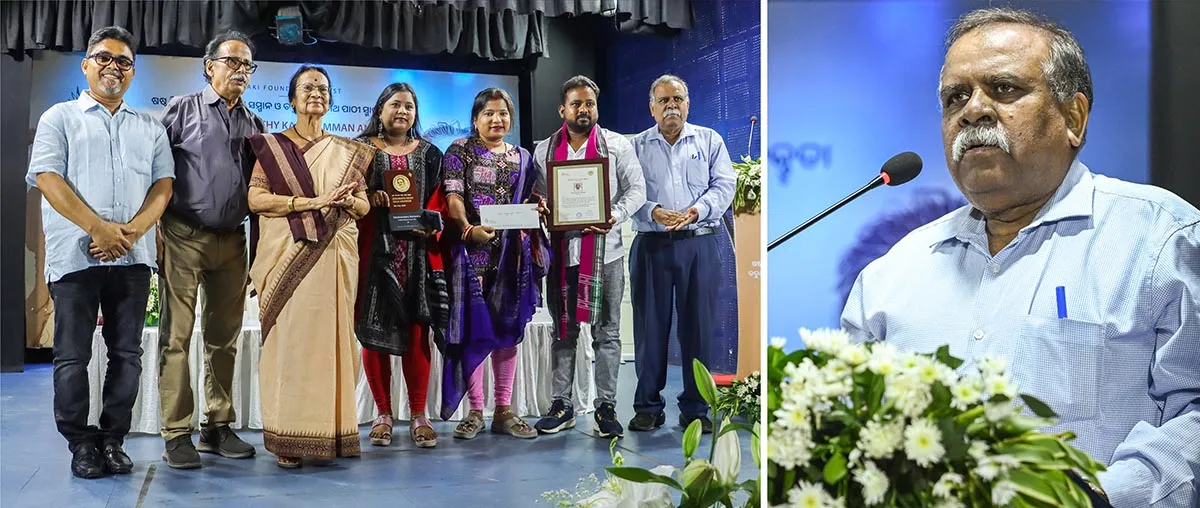
Satyanarayana Maharana, a master craftsman from Sonepur, accepted the 6th Dinanath Pathy Kala Samman on Saturday for his lifelong commitment to Odisha’s rare Ganjapa painting tradition. Organized by the Ketaki Foundation Trust at Bharatiya Vidya Bhavan in Bhubaneswar, the ceremony celebrated the survival of this intricate folk art. Ganjapa refers to traditional hand-painted circular playing cards that once flourished under royal patronage in Odisha, particularly in regions like Ganjam and Sonepur.
Scholarly Insights On Odia Heritage
Prof. Kishor Kumar Basa, who previously led the National Monuments Authority, presented the 4th Dinanath Pathy Memorial Lecture titled “Odishara Kala Sthapatya: Eka Itihasa Tatwika Adhyayana.” His presentation examined the historiography of the state's temple architecture and sculptural evolution. Basa highlighted the versatility of the late Dinanath Pathy, noting his dual mastery over literature and visual arts. He referenced poet Sitakant Mahapatra’s observation that Pathy moved between the pen and the brush with equal brilliance.
Cultural Preservation Efforts
Padma Shri Dr. Priyambada Mohanty Hejmadi attended the event as the chief guest. The renowned scientist and Odissi dancer spoke about the urgency of protecting indigenous art forms from disappearing in the modern era. While Ganjapa was once a popular pastime among local elites, it now survives through the hands of a few dedicated families in Sonepur.
Shri Ramahari Jena and Managing Trustee Jyotiranjan Swain detailed how the Ketaki Foundation Trust supports these fading traditions. Beyond annual awards, the trust engages in publishing literature and providing art therapy for the elderly. This year's gathering utilized digital streaming to reach a global audience, ensuring that the legacy of Sonepur’s Chitrashilpis gains international visibility. The recognition of Maharana serves as a reminder of the intricate craftsmanship required to produce these vibrant, layered paper cards that represent a unique segment of Indian ludic history.