

.webp)


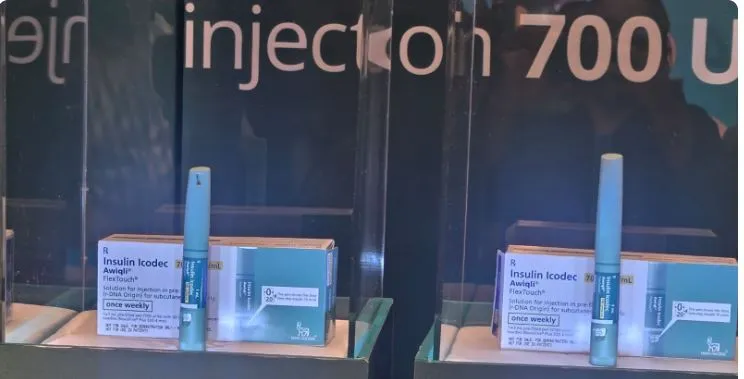
New Delhi, July 9: Novo Nordisk India has launched Awiqli (insulin icodec), the world's first once-weekly basal insulin for adults living with Type 1 and Type 2 diabetes. The introduction marks a significant milestone in diabetes treatment by reducing the number of insulin injections from 365 per year to just 52.
The company says Awiqli represents a major shift in insulin therapy, offering a simpler treatment approach that aims to improve convenience and long-term adherence rather than delivering only incremental improvements.
Clinical findings from the globalONWARDS-1programme showed that Awiqli provided superior HbA1c reduction and increased Time in Range compared with once-daily insulin glargine U100. More patients with Type 2 diabetes achieved HbA1c levels below 7% without experiencing hypoglycaemia, while improved Time in Range translated into more stable blood glucose control throughout the day.
Vikrant Shrotriya, Managing Director of Novo Nordisk India, described the launch as a landmark moment for diabetes care in the country. He said the company has spent more than a century working to make insulin therapy simpler, safer and more accessible, adding that once-weekly insulin has long been a goal for the global diabetes care community.
According to Shrotriya, Awiqli has the potential to reduce both the physical and psychological barriers associated with insulin therapy, encouraging more people to initiate treatment and achieve better diabetes management while improving overall quality of life.
Dr S.K. Wangnoo, Senior Consultant Endocrinologist and Diabetologist at the Apollo Centre for Obesity, Diabetes & Endocrinology (ACODE), Indraprastha Apollo Hospitals, said insulin remains a cornerstone of diabetes management. However, delayed treatment initiation and poor adherence continue to limit patient outcomes. He noted that simpler treatment options, such as once-weekly insulin, could help patients begin therapy earlier while supporting more meaningful discussions between doctors and patients about timely diabetes care.
The launch comes as India continues to face a rapidly growing diabetes burden. More than101 millionpeople in the country are living with diabetes, while an additional136 millionhave prediabetes, placing them at high risk of developing the disease.
The National Family Health Survey-6 (2023-24) also highlights the rising prevalence of high blood sugar levels across both urban and rural India. Among men aged 15 years and above, the proportion with high blood sugar or those taking diabetes medication increased to 20.9%, up from 15.6% in NFHS-5 (2019-21). Among women in the same age group, the figure rose to 17.8%, compared with 13.5%in the previous survey.
Despite the increasing number of diabetes cases, insulin therapy in India is typically initiated seven to nine years later than clinically recommended. The delay is often linked to patients' fear of injections, anticipated pain, concerns over treatment complexity and cost, as well as physician concerns about hypoglycaemia, weight gain, dose titration and long-term treatment adherence.
As Type 2 diabetes progresses, insulin therapy frequently becomes essential for maintaining blood sugar control. Novo Nordisk believes Awiqli's once-weekly dosing schedule, supported by strong clinical evidence and delivered through the FlexTouch device, could help overcome common barriers to insulin use and make treatment more acceptable for patients.
.webp)