
.webp)


Green commercial fleets receive complete permit waivers across India
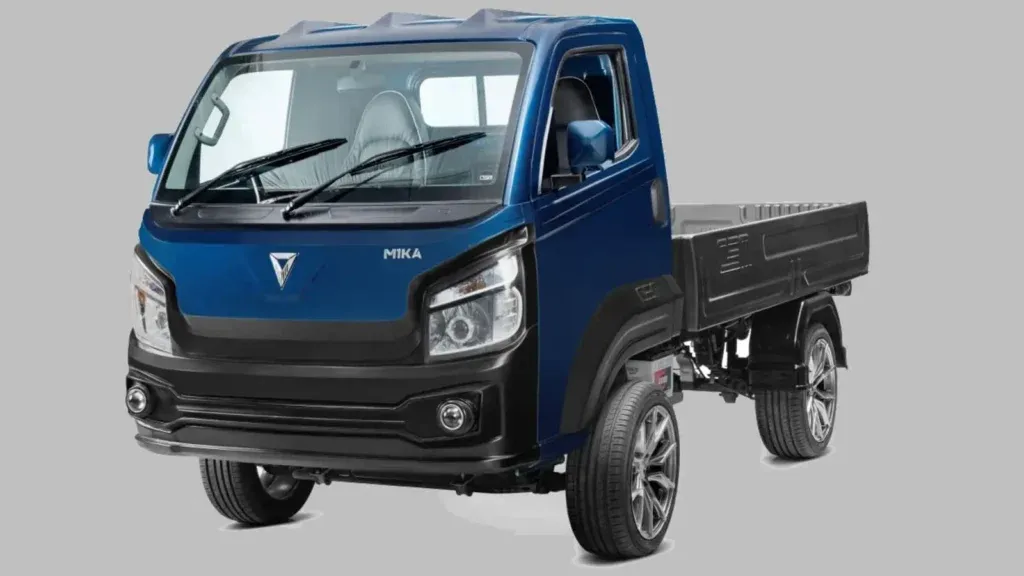
India has officially waived permit requirements for commercial vehicles running on clean energy sources for an extended seven-year period. Issued recently by the Ministry of Road Transport and Highways (MoRTH), this new notification directly impacts commercial transport fleets powered by battery electric, ethanol, methanol, and hydrogen technologies. Goods carriers and passenger transport operators can now safely bypass Section 66 of the Motor Vehicles Act, which traditionally governs strict and often expensive transit paperwork.
Strategic Shift toward Green Logistics
Replacing diesel-heavy fleets with sustainable alternatives remains a top priority for national policymakers focused on modernizing freight networks. Over recent years, India has pushed hard to reduce its heavy reliance on imported crude oil, which drains valuable foreign exchange reserves and worsens urban pollution levels. Removing complex regulatory barriers serves as a direct financial incentive for fleet managers to adopt clean fuel technology much faster. Transport experts view this seven-year commercial vehicle permit exemption as substantial economic relief for logistics companies investing in electric and hydrogen platforms. It lowers operational hurdles while promoting cleaner highways across the nation.
Mandatory Digital Tracking Protects Fleet Safety
While transport companies gain valuable freedom from traditional permit renewals and regional fees, they must still follow specific government safety protocols. Every green transport unit taking advantage of this policy must operate with a certified Vehicle Location Tracking Device installed. These systems must strictly comply with the established AIS-140 standard. Authorities use this specific standard to monitor public transport movements and ensure emergency response capabilities stay online at all times.
Linking regulatory freedom to real-time digital traceability helps the government support modern transport networks without sacrificing passenger security. Electric trucks, hydrogen-powered city buses, and ethanol-driven freight carriers will now enter the logistics market with fewer restrictions. This strategic move drastically cuts routine operational costs and helps individual states achieve their long-term emission reduction goals.
.webp)