True story behind India skipping 1950 global tournament
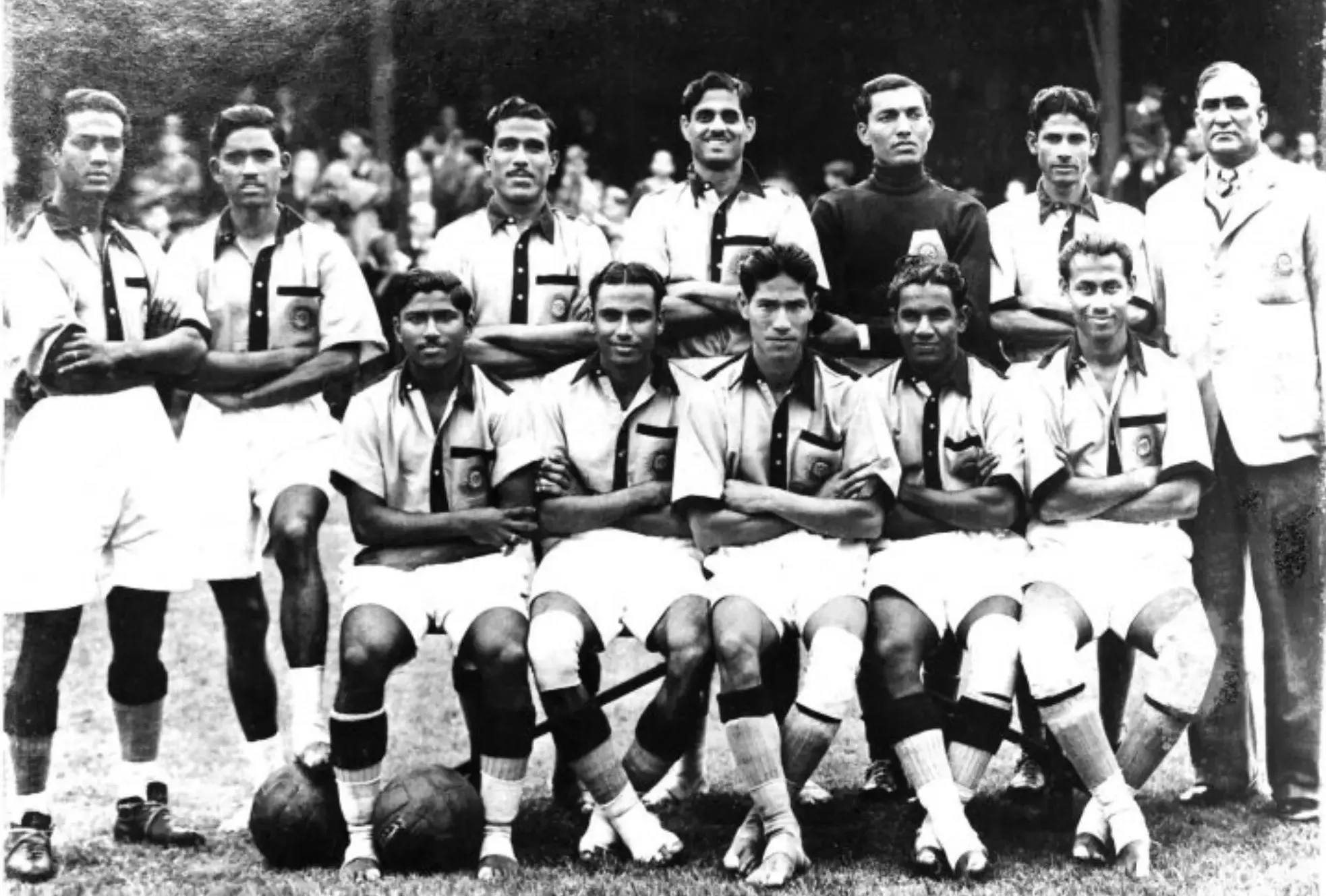
Administrative indecision and financial anxieties, rather than a forced ban on barefoot play, prevented the Indian national football team from competing in the 1950 FIFA World Cup. For decades, popular folklore maintained that world football governing body FIFA expelled India because its players refused to wear leather cleats. Chronological records and player accounts confirm this narrative is entirely fictional, hiding a series of bureaucratic errors by domestic sports organizers. India had earned an automatic spot in the tournament after group opponents Burma, Indonesia, and the Philippines withdrew from the qualifiers, presenting a clear path to the tournament in South America.
Historical Priorities and Financial Friction
National sports administrators during this era did not view the tournament as the ultimate prize in global soccer. The All India Football Federation prioritised amateur competitions like the Olympic Games and regional tournaments, viewing the newly resurrected world tournament as a minor, distant exhibition. Legendary defender Sailen Manna, who was chosen to captain the squad, later noted that the players remained completely unaware of the event's global significance at the time. Furthermore, the immense expense of funding a transcontinental voyage to South America created severe panic within the federation. Even though regional football associations in Calcutta offered financial assistance and FIFA promised to subsidize travel costs, domestic organizers continued to delay their decision.
Olympic Focus versus Global Exposure
Preparation deficiencies and structural disparities further complicated the prospective trip. Domestic league matches within India were typically played over a seventy-minute duration rather than the international ninety-minute standard, creating genuine worry regarding player stamina. Instead of addressing these athletic gaps, the federation allowed the clock to run down while debating selection choices. This lack of strategic planning cost the country its single greatest opportunity to establish a permanent presence on the global soccer stage. Local historical records reveal that while Odisha was busy rebuilding its sports architecture under early post-independence initiatives, the national body remained trapped in administrative paralysis.
Consequences of a Missed Opportunity
Failure to board the plane to South America altered the trajectory of the sport in Asia for subsequent generations. Following the tournament withdrawal, the national team enjoyed a brief golden era under visionary coaching, securing Asian Games gold in 1951 and reaching the Olympic semi-finals in 1956. However, the international body eventually penalised the federation for the last-minute cancellation by barring entry into the next qualification cycle. The squad has never since managed to secure a spot at the global finals, leaving fans to wonder how corporate and structural support might have transformed the sport nationwide.

Barefoot Indian Football