
.webp)


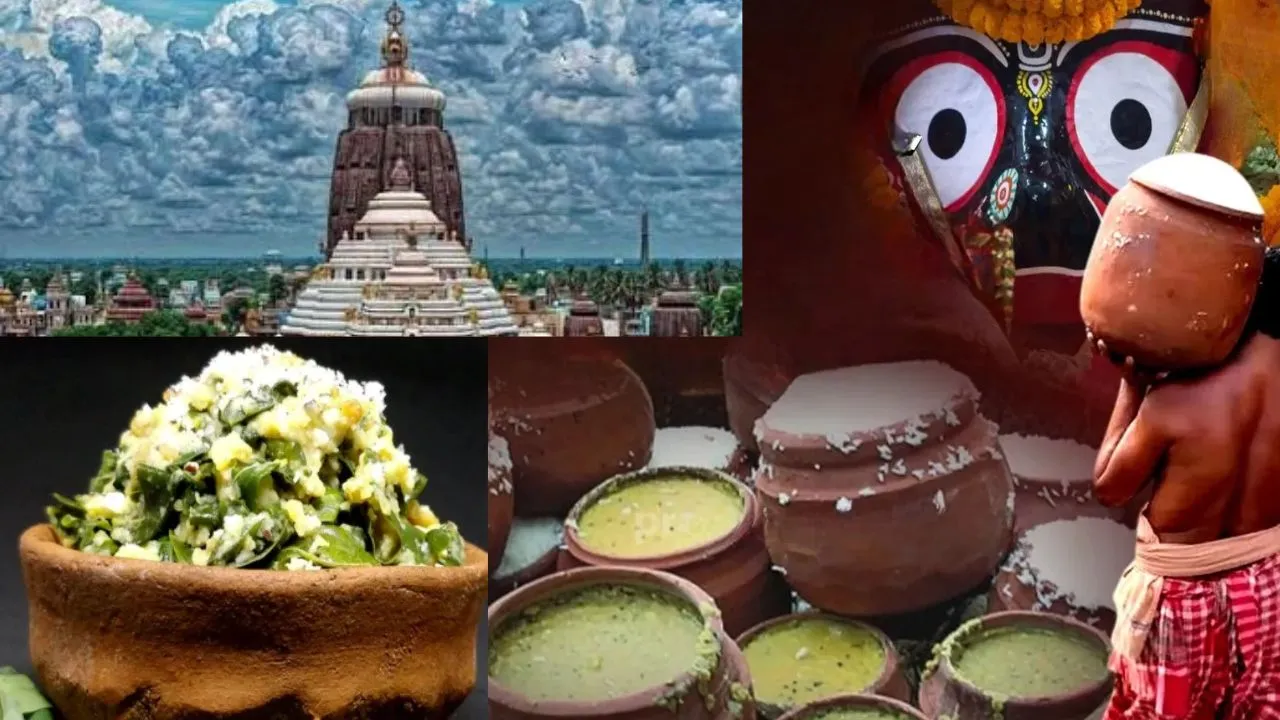
Puri, Oct 24: Food habits and dressing styles among devotees observing Mahakartika Brata are gradually changing, raising concerns over the declining popularity of traditional fasting foods such as Habisa Dalma and Agasti Saga.
According to Mahasuara servitors associated with the preparation and sale of food offerings at the Ananta Vasudeva Temple, devotees are showing less interest in the traditional dishes that were once an essential part of the month-long religious observance.
The servitors said that around 15 years ago, devotees observed the brata with strict discipline, following specific rules regarding their clothing, food and the rituals associated with consuming prasad. However, these practices have gradually changed with time.
Also Read:Puri Srimandir rituals delayed on first day of Kartik month
Traditionally, Habisa Dalma was prepared without tempering, using only moong dal, raw banana, colocasia and elephant apple. A small amount of cumin and black pepper powder was added for flavour. Agasti Saga was also prepared with moong dal without tempering.
Devotees observing the brata traditionally consumed the prasad only once a day and followed several religious restrictions while eating. According to the servitors, some devotees would even stop eating if they heard a dog barking or noticed an inauspicious sign during the meal.
However, changing food preferences have affected demand for these traditional dishes. The servitors said that while many vendors earlier sold Habisa Dalma, only two continue to sell it now due to declining demand. They have also started preparing prasad according to the changing preferences of devotees.
Agasti Saga, traditionally considered an essential food during Mahakartika, is valued for both its religious significance and medicinal properties. The greens are associated with Sage Agastya. Traditional Ayurvedic accounts attribute certain health benefits to the plant, including relief from recurring headaches, though such claims require scientific verification.
The servitors observed that some devotees now consume only two or three leaves of Agasti Saga to fulfil the ritual requirement, rather than eating it as a regular part of their traditional meal. They fear that these distinctive foods associated with Mahakartika could gradually disappear if the trend continues.
Mahakartika Brata will begin on Monday, October 26, this year. Devotees will worship Rai Damodara until Panchuka, the final five days of the Kartika month, when special worship of Baga-Baguli is also observed.
Abhijit Garabadu said Habisa Dalma would be available at Ananta Vasudeva Temple throughout the month, beginning Monday, to serve devotees observing the brata.
The declining demand for these traditional foods has highlighted the challenge of preserving Odisha’s religious food traditions amid changing lifestyles and preferences.
.webp)