


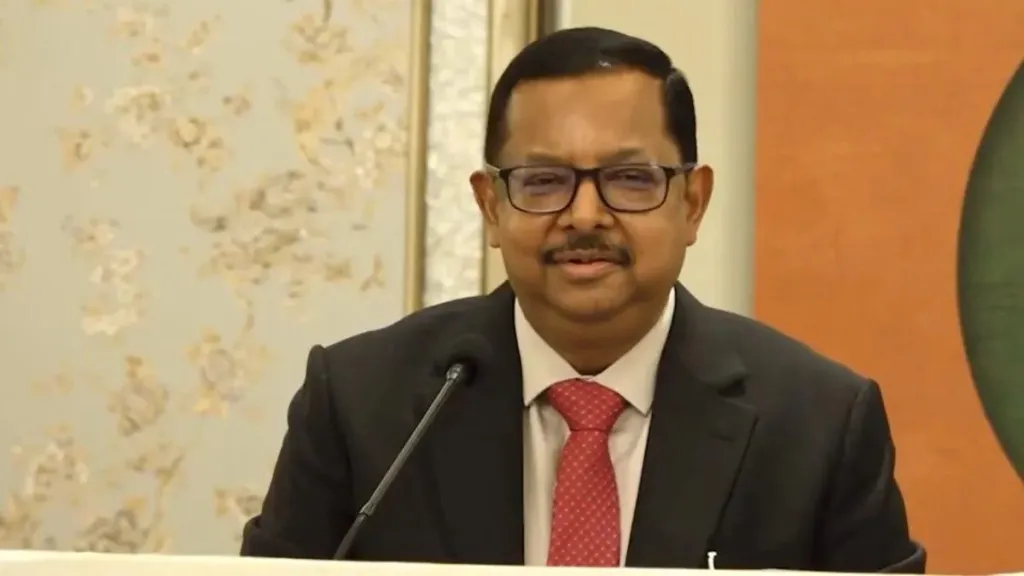
Supreme Court Justice Ujjal Bhuyan emphasised that widespread disenfranchisement negates India's constitutional order
Widespread deprivation of voting rights degrades Indian citizens to second-class status and attacks the fundamental nature of the Constitution, according to Supreme Court Justice Ujjal Bhuyan. Speaking at the NALSAR Moot Court Valedictory event in Hyderabad, Justice Bhuyan delivered a strong defense of universal adult suffrage. This warning arrives against the backdrop of controversies surrounding the Election Commission’s Special Intensive Revision (SIR) of electoral rolls, where allegations of targeted voter deletions have surfaced. In India's vibrant democracy, maintaining the integrity of the electoral roll is critical for ensuring fair representation across all demographics.
Justice Bhuyan argued that disenfranchising millions is inherently arbitrary and cannot be justified through "whataboutery." He stressed that the Indian Constitution, specifically Articles 326 and 14, strictly prohibits the creation of two separate classes of citizens—those with voting rights and those without. Article 326 guarantees elections based on adult suffrage for citizens aged 18 and above, while Article 14 ensures equality before the law.
No authority possesses the power to tamper with Article 326, and no court can endorse such actions, the Justice affirmed, noting that the Constitution reigns supreme. He described the right to vote as intrinsically linked to citizenship, comparing its removal to "taking out the soul from the body." This right empowers every adult citizen, irrespective of social standing, to participate in governance. Justice Bhuyan referenced BR Ambedkar’s insistence on embedding adult suffrage within the Constitution to prevent it from being subjected to parliamentary whims. This foundational decision by the Constituent Assembly reflects India’s historic struggle for independence and its deep-rooted commitment to democratic principles.