
.webp)


Iran mandates prior authorisation for all Strait of Hormuz vessels
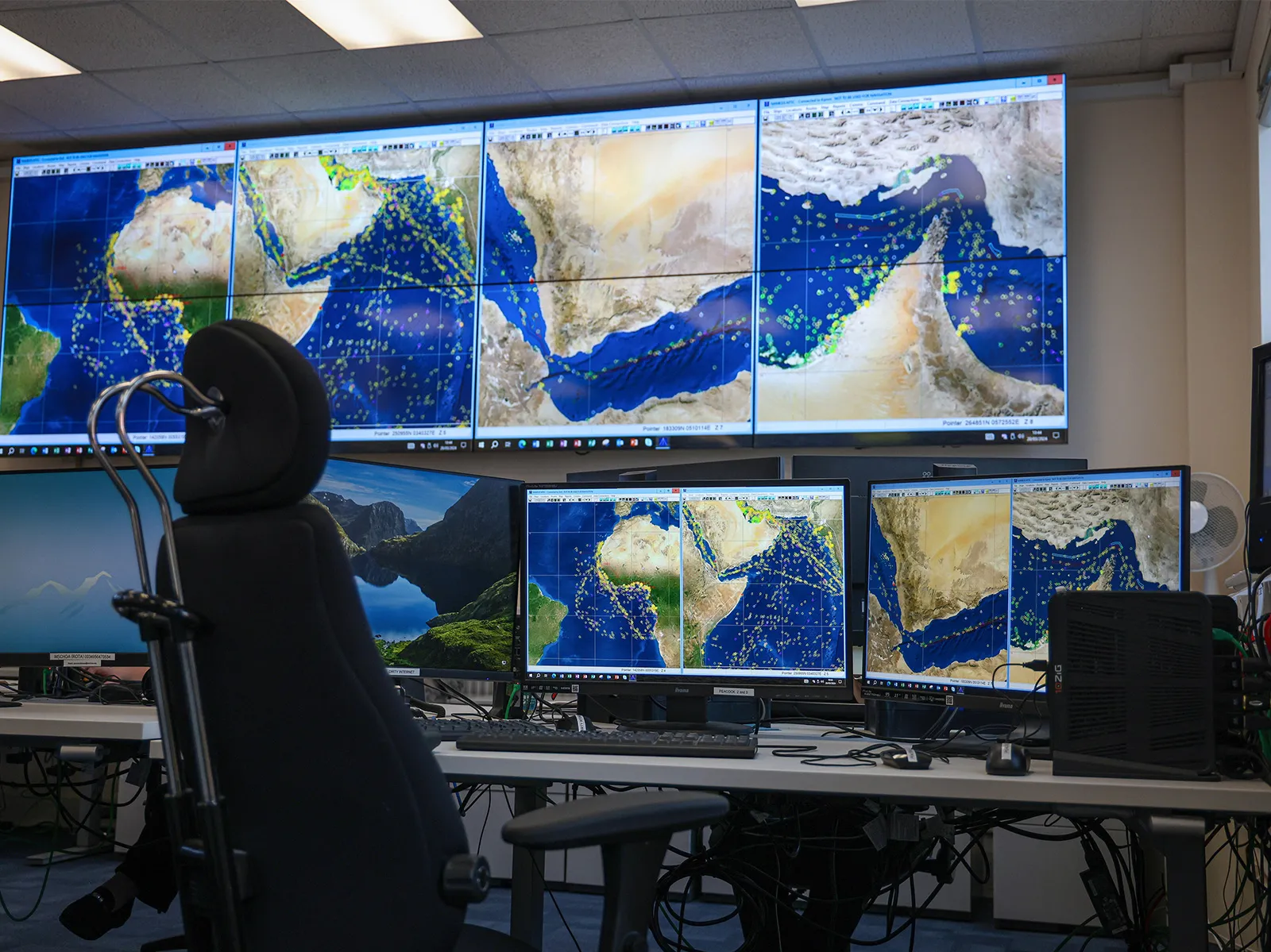
Iran has officially launched a rigid permit system for all vessels navigating the Strait of Hormuz, shifting from informal monitoring to a strict sovereign governance framework. This new protocol requires shipping companies to engage directly with the newly established Persian Gulf Strait Authority (PGSA). Under these regulations, every vessel must submit a detailed "Vessel Information Declaration" via email before entering the waterway. This 40-question document demands precise data regarding ownership, crew nationalities, and specific cargo details.
Iranian officials describe this move as a necessary step to stabilize maritime security, yet it effectively gives Tehran veto power over one-fifth of the world’s oil supply. The Islamic Revolutionary Guard Corps (IRGC) has issued stern warnings that any ship deviating from designated corridors or failing to secure a permit will face military intervention. Global energy markets are already reacting, as Brent crude prices climbed following reports that nearly 1,500 ships were awaiting clearance.
Historically, the Strait of Hormuz has functioned as an international passage where freedom of navigation was largely respected under the UN Convention on the Law of the Sea. However, the current administration in Tehran argues that regional tensions necessitate this "new equation" of control. For India, this development is particularly sensitive given that a significant portion of its crude oil imports and liquefied natural gas (LNG) supplies must pass through this narrow chokepoint.
Mandatory Compliance and Security
Failure to provide accurate information is met with high risks. The PGSA has stated that any discrepancies in the declaration forms will be the sole responsibility of the applicant. Beyond paperwork, the IRGC Navy remains active in the channel, using radio signals to direct traffic into specific lanes. International shipping operators are now forced to choose between complying with these unilateral rules or risking kinetic encounters in one of the world's most volatile maritime environments.
.webp)