


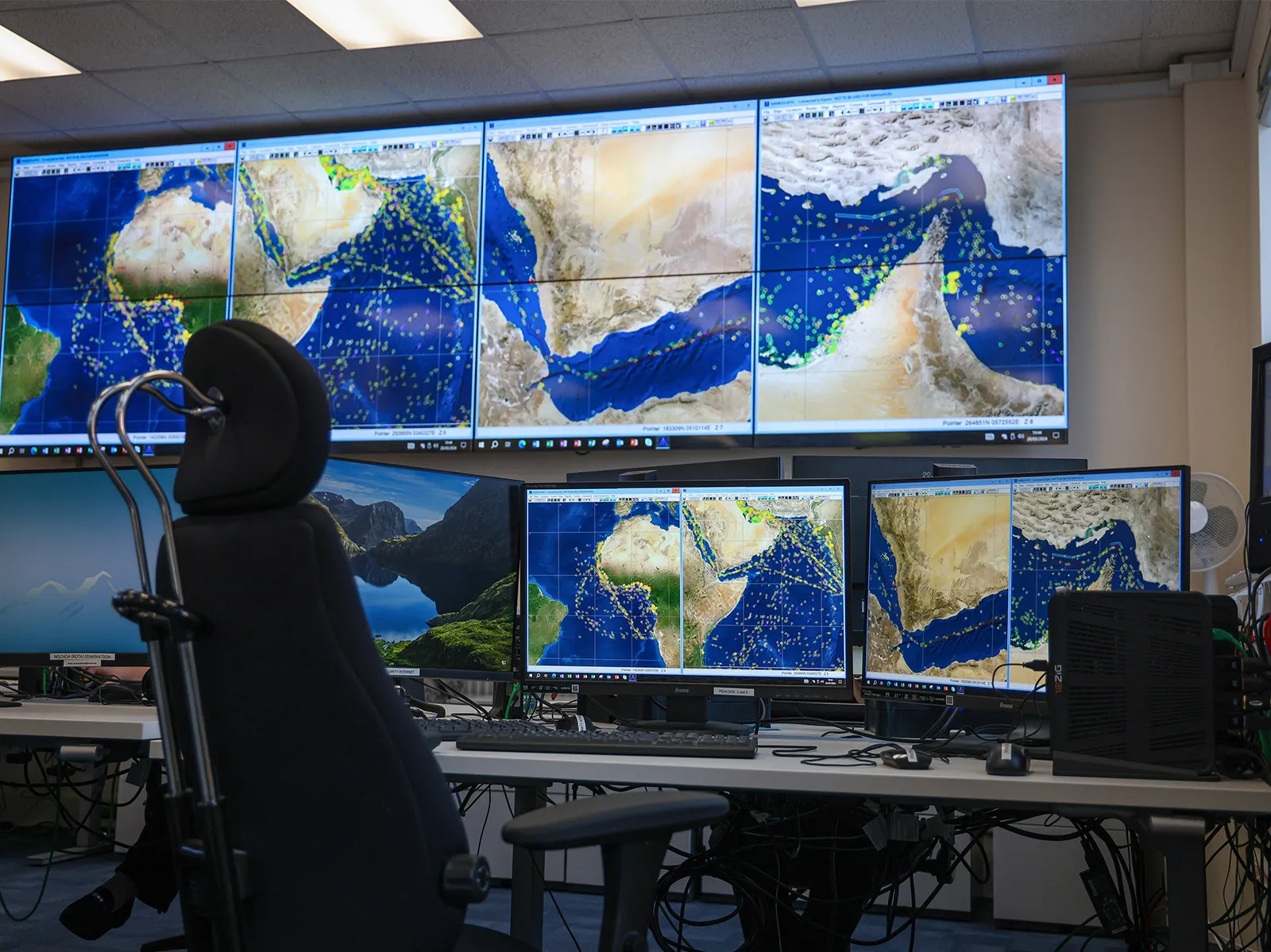
Iran and Oman establish revised navigation passages through Hormuz
Tehran and Muscat have reached an understanding on specific entry and exit channels for the Strait of Hormuz, preparing to brief neighbouring Gulf administrations during an upcoming regional assembly in Muscat. Both littoral partners worked out technical alignments regarding maritime movement across the vital choke point, which handles roughly a fifth of petroleum consumed globally. Officials finalised the operational parameters to coordinate transit security across the narrow passage between the Persian Gulf and the Gulf of Oman. Representatives plan to present these detailed route adjustments to regional delegates at the Muscat gathering.
Iranian President Masoud Pezeshkian commented on broader global realignments, pointing out that multinational bodies like BRICS exist to counter unilateral punitive measures imposed by Washington. Speaking on the sidelines of international discussions, Pezeshkian asserted that member nations must build sovereign trade mechanisms and mutual economic networks capable of resisting external pressure.
Multilateral consensus in New Delhi
Simultaneously, member delegations at the 18th BRICS Leaders' Summit reached common ground on regional stability. Sudhakar Dalela, Secretary for Economic Relations in India's Ministry of External Affairs, noted that open diplomacy forms the baseline for resolving ongoing friction. Dalela affirmed that the New Delhi Declaration 2026 captures this unified approach, giving room for distinct national viewpoints before establishing collective positions.
Participant nations ratified the New Delhi Declaration 2026, registering serious concern over regional hostilities and urging restraint from all parties. The text called for safeguarding energy corridors, international supply chains, and sovereign territory under global legal frameworks. Furthermore, member states reiterated the absolute need to protect civilian sites and nuclear infrastructure placed under International Atomic Energy Agency verification.