
.webp)

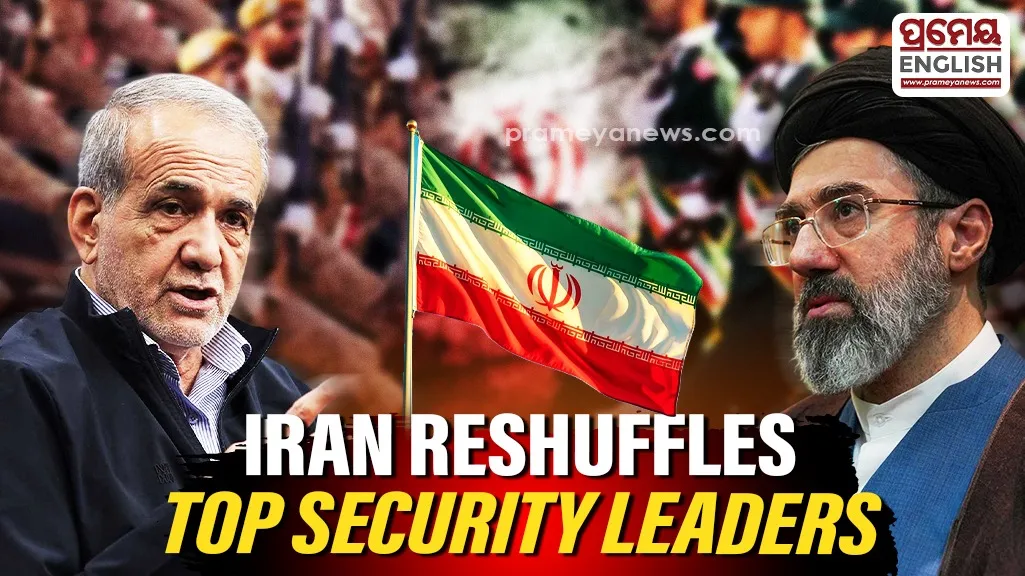
Iran reshuffles top security roles during crucial Hormuz negotiations
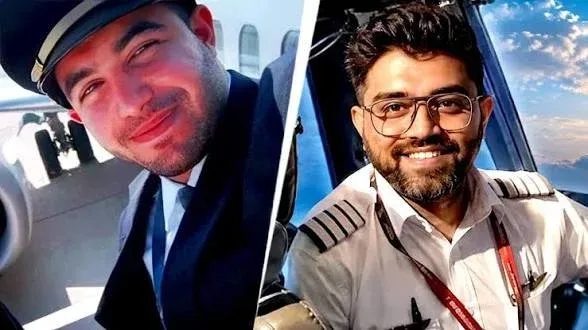
Iran's Supreme Leader Mojtaba Khamenei has quietly changed the country's national security lineup. He moved former Supreme National Security Council (SNSC) Secretary Mohammad Bagher Zolghadr into a new position as his direct political adviser. At the same time, veteran Islamic Revolutionary Guard Corps (IRGC) commander Mohsen Rezaei will take over as Khamenei's representative on the powerful council.
Reshaping national security strategy
Historically, power in Tehran rests largely with these military factions, often creating friction with elected political leaders. This sudden leadership shift happens just days after Iranian officials laid out strict conditions for fully reopening the Strait of Hormuz. It also aligns with indirect talks happening between Washington and Tehran, mediated by Oman, adding fresh uncertainty to a volatile region.
Zolghadr is a former senior IRGC commander who only recently took over the SNSC in March following the death of Ali Larijani. Instead of losing influence, moving into Khamenei's inner circle likely brings this prominent hardliner closer to the core of strategic planning. Meanwhile, placing Rezaei — one of the earliest commanders from the 8-Year Sacred Defence — into the council guarantees that military veterans keep a tight grip on high-level security talks.
Balancing diplomacy and military influence
These shifts follow a recent meeting between Khamenei and President Masoud Pezeshkian as the president begins his third year in office. They discussed the country's economic struggles, domestic currency, and foreign energy management. Pezeshkian faces the difficult job of repairing international economic ties while military leaders push back against outside pressure.
Foreign Minister Abbas Araghchi clarified that direct negotiations with the United States are not happening. He noted that talks rely entirely on intermediaries until Washington corrects past agreements like the Islamabad Memorandum of Understanding. As Iran demands an end to sanctions and the release of frozen assets, the world watches closely to see if this new security circle will lean toward compromise or confrontation.
.webp)