


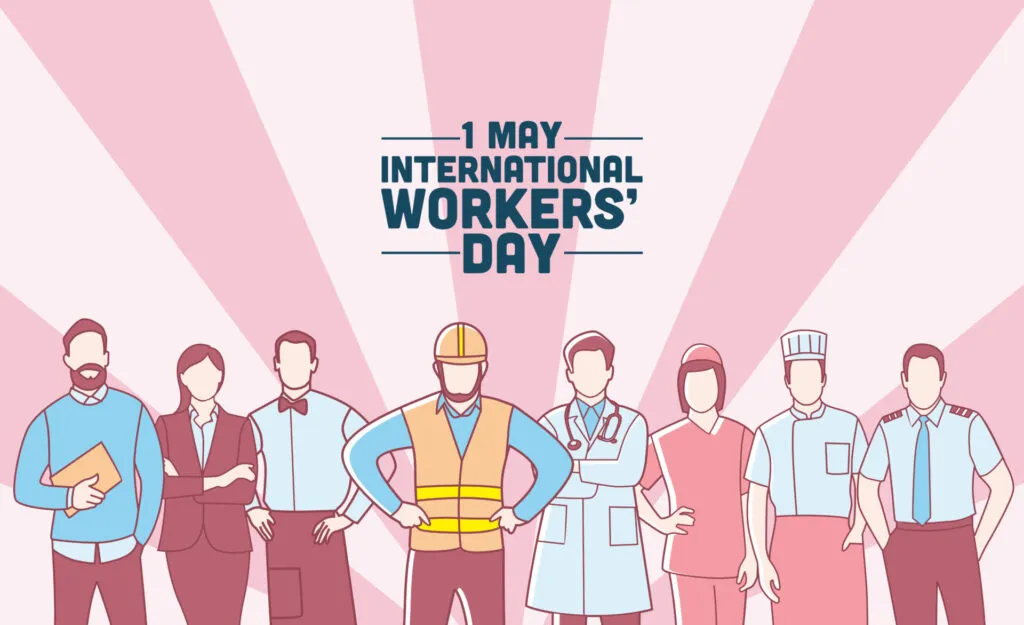
Every year on May 1, the world celebrates International Workers’ Day, also known as May Day. This day honors laborers and the working class whose dedication and hard work have propelled society and the economy forward. It also highlights critical issues such as worker exploitation, unsafe working conditions, and income inequality, fostering unity and positive change in society.
The origins of International Workers’ Day
The tradition of observing this day began in the late 19th century, during the height of the Industrial Revolution. According to the United Nations, on April 21, 1856, workers in Victoria, Australia, went on strike demanding an eight-hour workday. Inspired by this, workers in the United States also mobilized.
May 1 was chosen to commemorate the Haymarket movement in Chicago in 1886, when a major strike for the eight-hour workday took place—a significant step in the fight for workers’ rights. The day reminds us that the struggle for fair treatment, respect, and safe working conditions continues, highlighting the ongoing need for equality and dignity in the workplace.
In many countries, May 1 is a public holiday. The day is marked by rallies, events, and seminars that raise awareness about the contributions and rights of workers. Countries such as South Africa, Tunisia, Tanzania, Zimbabwe, and China observe the day as a holiday, celebrating the achievements of the labor force and advocating for continued progress in labor rights.