

India firmly dismisses international court rulings over river sharing
New Delhi has firmly dismissed a recent ruling by the Hague-based Permanent Court of Arbitration regarding river sharing with Pakistan, declaring the international tribunal lacks jurisdiction over its sovereign choices. Indian officials maintain that the bilateral water agreement remains fully suspended following the devastating April 22 Pahalgam terror attack last year, which tragically claimed 26 lives. Rejecting the international tribunal's demand to reinstate the pact, India's Ministry of External Affairs condemned the court as an illegally constituted entity. Government representatives argue the World Bank established this arbitral body in direct violation of original terms. New Delhi continues to boycott these proceedings, insisting that technical disagreements require evaluation by a designated Neutral Expert rather than a formal legal forum.
Historical Context and Current Freeze
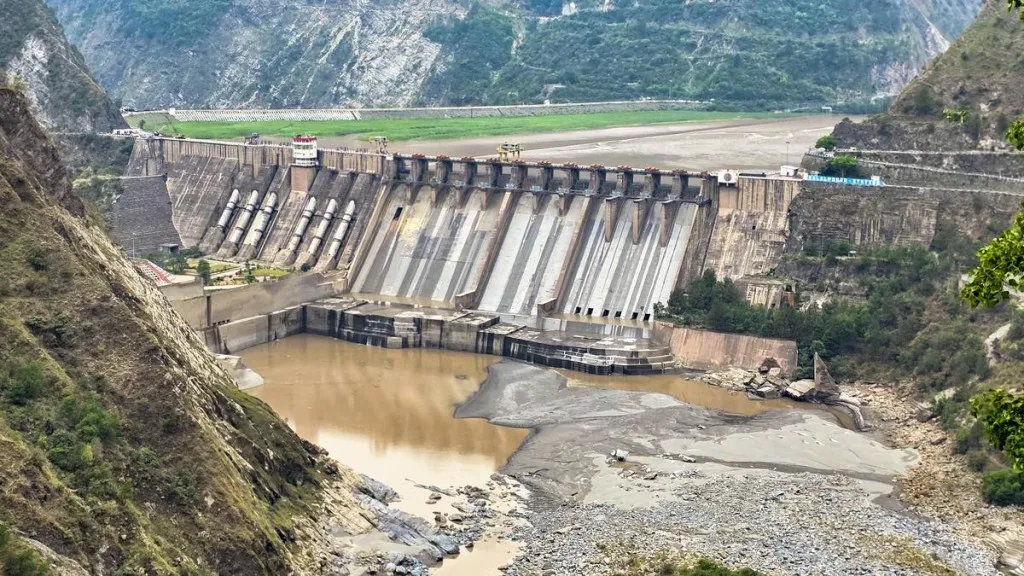
Executed in September 1960, this framework successfully managed river distribution between both nations for decades, surviving multiple wars and persistent border friction. However, Indian leadership now enforces a strict policy that water and violence cannot flow together. Administrative operations will stay frozen until Islamabad takes verifiable, irreversible steps to dismantle terror infrastructure operating within its territory. Tensions initially escalated when Pakistan pursued external arbitration concerning the design specifications of India's Kishenganga and Ratle hydroelectric projects on western rivers. Indian authorities strongly opposed this legal maneuver, stating that engineering disputes belong exclusively under established expert resolution mechanisms. Permitting simultaneous examinations by an arbitration court directly contradicts agreed-upon protocols. Government officials remain resolute that mandates from the Hague hold zero authority and will never influence strategic infrastructure developments currently underway.