
.webp)


Rapid local industrialisation might end tragic worker migrations forever
Rajendra Pattanaik, Corporate Affairs Expert
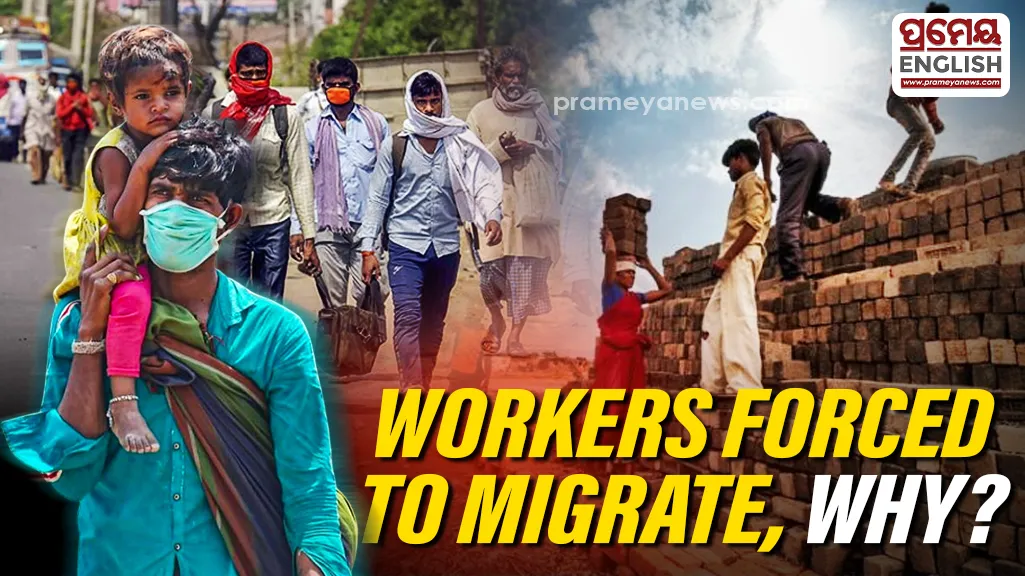
State government records presented to the Odisha Legislative Assembly in December 2025 show that 518 migrant workers died while working in other states over the past five years. Experts suggest actual fatalities run much higher due to unreported cases, highlighting a severe employment crisis that forces desperate citizens into hazardous conditions.
Historically, regions facing prolonged agrarian distress frequently export cheap labour to richer coastal and western states to fuel construction and manufacturing booms elsewhere. Tragedies strike regularly. An ammonia gas leak at a Tamil Nadu seafood processing factory in June claimed the lives of a dozen female workers from Keonjhar. Furthermore, a 19-year-old woman from Kalahandi lost her life at a Telangana brick kiln in December 2025. Older horrors, like the brutal amputation of two Kalahandi labourers' hands in December 2013, continue to haunt local memories and expose the extreme vulnerabilities of out-of-state employment.
Harsh Ground Realities for Labourers
Rough estimates indicate more than two million people leave Odisha for other states during the agricultural lean season. Official figures often remain lower because rural brokers operate secretively, bypassing formal tracking mechanisms. Poor villagers in districts like Balangir, Nuapada, Kalahandi, and Rayagada routinely accept wage advances from recruiters every September before travelling in November. Current government interventions and rural employment schemes frequently fall short of providing sustainable village-level income.
These individuals end up performing grueling manual labour at brick kilns, stone quarries, and construction sites across Andhra Pradesh, Karnataka, Tamil Nadu, and Kerala. Others toil in Gujarat's diamond polishing sectors, ship-breaking yards, and cotton mills, or work as domestic help in large metropolitan cities, constantly occupying the lowest economic tiers in their host states.
Industrial Potential In Mineral Zones
Achieving the state's ambitious vision for 'Viksit Odisha' by 2036 requires creating reliable economic opportunities much closer to these vulnerable communities. Over the last six decades, a few large projects successfully created isolated pockets of prosperity in the KBK (Koraput, Balangir, Kalahandi) belt. Bansidhar Panda established Indian Metals and Ferro Alloys (IMFA) at Therubali in Rayagada back in 1961. Other major landmarks include J K Paper Mills at Jaykaypur (1962), NALCO's alumina refinery in Damanjodi (1986), Vedanta's refinery in Lanjigarh (2007), and Aditya Birla Group's Kasipur plant in Rayagada (2013).
These specific industries generated thousands of direct and indirect jobs, demonstrating that local enterprise successfully stops people from migrating in desperation while boosting state revenues.
Overcoming Roadblocks to Regional Growth
Western and southern Odisha hold vast reserves of coal in the Ib Valley around Jharsuguda, bauxite across Kalahandi, alongside iron ore, manganese, limestone, and dolomite. These resources should naturally support thriving aluminium, steel, cement, and power sectors. Unfortunately, delayed mining and commercial projects prevent locals from benefiting from the wealth beneath their own land.
Instead, communities travel hundreds of kilometres for risky, low-paying work. Local resistance, frequent protests, poor physical infrastructure, and a severe shortage of skilled workers severely slow down regional progress. Major investments have collapsed previously due to these hurdles, notably POSCO's proposed 12 billion USD steel factory in Jagatsinghpur.
Forging Sustainable Local Solutions
Solving this deeply entrenched problem requires a multi-pronged strategy rather than a single quick fix. Establishing heavy manufacturing units works effectively only when authorities actively train local residents and upgrade their technical skills. Improving regional administrative systems, introducing strong welfare measures, and building better infrastructure will reduce the pressure on rural communities to abandon their homes. Operationalising stalled mining and commercial projects in high-migration zones remains a critical priority. Transforming these resource-rich districts into thriving economic hubs can finally break the dangerous cycle of poverty and worker exploitation in Odisha.
Image Source: Scroll.in
.webp)