
.webp)
Tehran warns of maritime blockades if US-Israel strikes escalate.
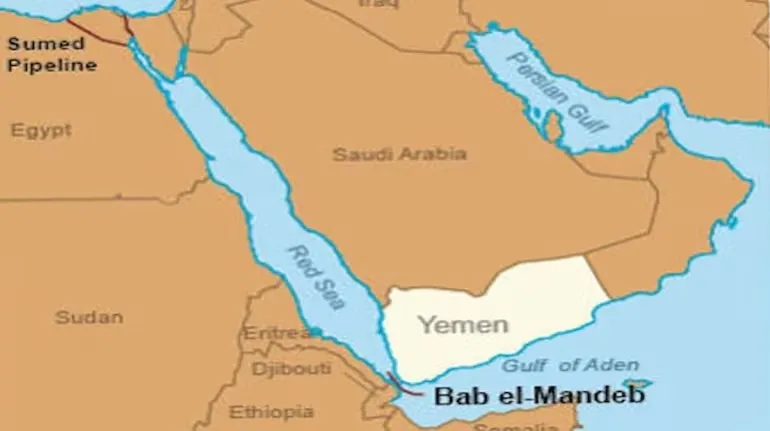
Iran has signaled a potential expansion of the current conflict by suggesting its allies in Yemen, the Ansarullah movement, are prepared to seize control of the Bab al-Mandab Strait. This warning serves as a direct response to threats from the White House regarding intensified military action if Tehran refuses ceasefire terms. Military officials from the Islamic Revolution Guards Corps (IRGC) have specifically cautioned US and Israeli forces against attempting ground operations on Iranian soil, particularly its southern islands.
Strategic Chokehold on Global Trade
Ansarullah forces remain on high alert since the escalation began on February 28. Sources linked to the Tasnim News Agency indicate that the group is ready to transform the waterway into a tool of economic pressure. Positioning the Bab al-Mandab as a secondary front to the Strait of Hormuz allows Tehran to project power across two of the most vital maritime arteries in the world. Controlling this passage is framed by Iranian media as a necessary measure to "discipline" opposing forces. For Odisha, a state with significant maritime trade interests and a growing focus on port-led development at Dhamra and Paradip, such disruptions in the Red Sea often lead to increased freight costs and delayed shipments for Indian exporters.
History of Naval Blockades
Ansarullah previously demonstrated its ability to disrupt international shipping following the 2023 Gaza crisis. By targeting vessels with links to Israel, the group forced global shipping giants to reroute around the Cape of Good Hope, significantly increasing the cost of goods. Current intelligence suggests the group has now expanded its capabilities to include more frequent aerial strikes and direct engagements with naval vessels near the Yemeni coastline.
Resistance Over Negotiation
Foreign Minister Araghchi maintains that Iran will persist with its "resistance" policy. Tehran remains firm in its refusal to negotiate or accept a ceasefire without "reliable guarantees," viewing the current military pressure from Washington as unprovoked aggression. As the war enters its 27th day, the threat to the Bab al-Mandab suggests that the conflict is no longer contained to localized strikes but is evolving into a broad challenge to international maritime stability.
.webp)