


Washington and Tehran agree to historic military deconfliction channel
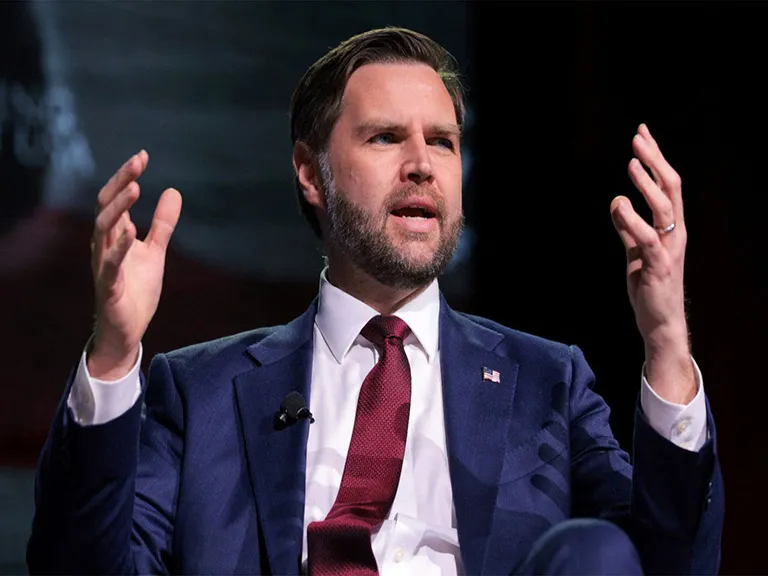
Vice President JD Vance has confirmed that Washington and Tehran will establish a US-Iran direct military channel in Doha, Qatar. This move aims to reduce risks of renewed hostilities in the region. Representatives from Iran’s Islamic Revolutionary Guard Corps (IRGC) and the United States Central Command (CENTCOM) will station themselves in the Qatari capital. They will work together to address disputes in real time. Vance disclosed this arrangement during an interview following recent high-level negotiations, indicating a shift toward pragmatic military engagement.
Navigating Tensions through Dialogue
Direct engagement between CENTCOM and the IRGC represents a notable geopolitical adjustment. For years, the two nations have experienced intense friction over navigation rights and military encounters in the Strait of Hormuz. Speaking to a British news outlet, Vance explained that both sides recognized the necessity of placing military officials in a shared location to defuse crises quickly. He noted that the United Arab Emirates is also conducting unprecedented conversations with Iranian representatives. These discussions focus on potential economic incentives to ensure long-term stability. This regional diplomacy reflects broader efforts to maintain peace following the recent Lake Lucerne summit, which laid the groundwork for this new communication framework.
Secretary of State Marco Rubio concurrently met with Gulf Cooperation Council (GCC) leaders in Manama, Bahrain. This meeting reinforced American commitments to Middle Eastern security. Regional ministers welcomed the recent US-Iran memorandum of understanding while acknowledging critical mediation efforts by Pakistan and Qatar. Participating diplomats stressed the urgency of maintaining unrestricted, free navigation through the Strait of Hormuz. They firmly rejected any attempts by Tehran to impose transit tolls or assert unilateral control over the vital global waterway. Furthermore, they reaffirmed their collective objective to prevent nuclear proliferation while actively addressing ongoing threats posed by ballistic missiles and regional proxy groups.
With Inputs from Agency threads and Image Courtesy: ANI