


Prime Minister Modi boosts naval power with three indigenous warships
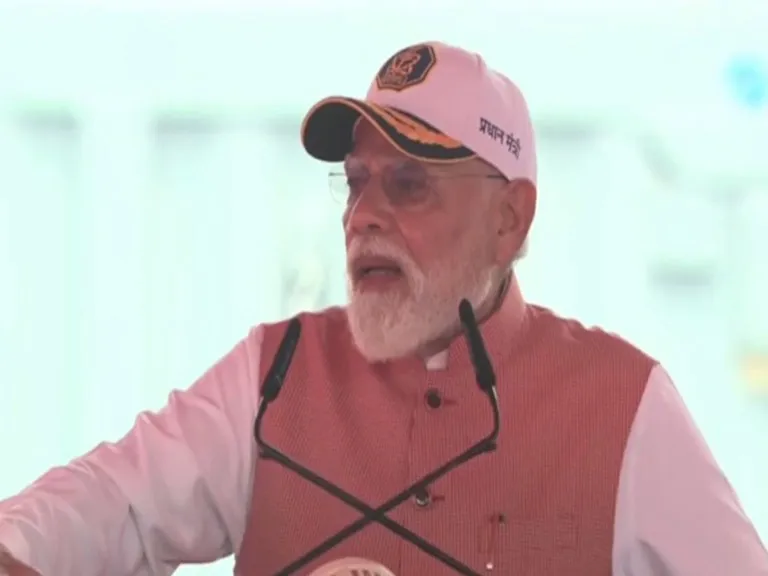
Prime Minister Narendra Modi inducted three sophisticated, domestically constructed naval ships into active service on Sunday during a formal ceremony in Kolkata. India reinforced its maritime capabilities by adding INS Dunagiri, INS Sanshodhak, and INS Agray to the naval fleet. Garden Reach Shipbuilders and Engineers constructed these vessels alongside the Warship Design Bureau. This collaborative effort delivers critical operational advantages across surface combat, deep-water mapping, and underwater warfare. Securing the Bay of Bengal region holds high strategic importance for coastal states like Odisha, making this naval expansion an essential step for long-term regional stability.
Strengthening Coastal Defense Capabilities
INS Dunagiri arrives as the fifth stealth frigate under Project 17A. It packs highly sophisticated weapons and advanced sensor networks, prominently featuring supersonic BrahMos surface-to-surface missiles. Naval crews will also operate a highly capable medium-range surface-to-air missile system to counter hostile airborne targets effectively during demanding missions. These additions directly multiply the striking power of Indian forces during blue-water operations.

INS Sanshodhak serves as the fourth large survey vessel for the fleet. Its primary mission involves executing deep-water and coastal hydrographic surveys. It collects essential oceanographic and geophysical data for both civilian and military applications. Operators will utilize its autonomous underwater vehicles and remotely operated systems for precise seabed mapping.

INS Agray joins as the fourth Arnala-class shallow water craft. Planners designed it specifically for anti-submarine warfare. It carries lightweight torpedoes and locally built rocket launchers. Advanced shallow-water sonar systems allow dedicated crews to detect and neutralize underwater threats operating stealthily in littoral waters.

Driving Self-Reliance In Shipbuilding
These three platforms highlight India's rapidly expanding domestic defense manufacturing ecosystem. Domestic content across all three vessels exceeds 75 percent. Building these ships required deep participation from domestic industries, drawing contributions from over 200 micro, small, and medium enterprises. This large-scale construction generated significant direct and indirect employment opportunities across the country. Government defense ministries, public sector shipyards, and private manufacturing partners collaborated successfully on this project. They worked to advance the national goal of self-reliance, ensuring that future fleet expansions rely entirely on indigenous engineering rather than foreign imports.
With Inputs from Agency Threads and Image courtesy: ANI