


Bhubaneswar conceals an Iron Age metropolis requiring urgent protection
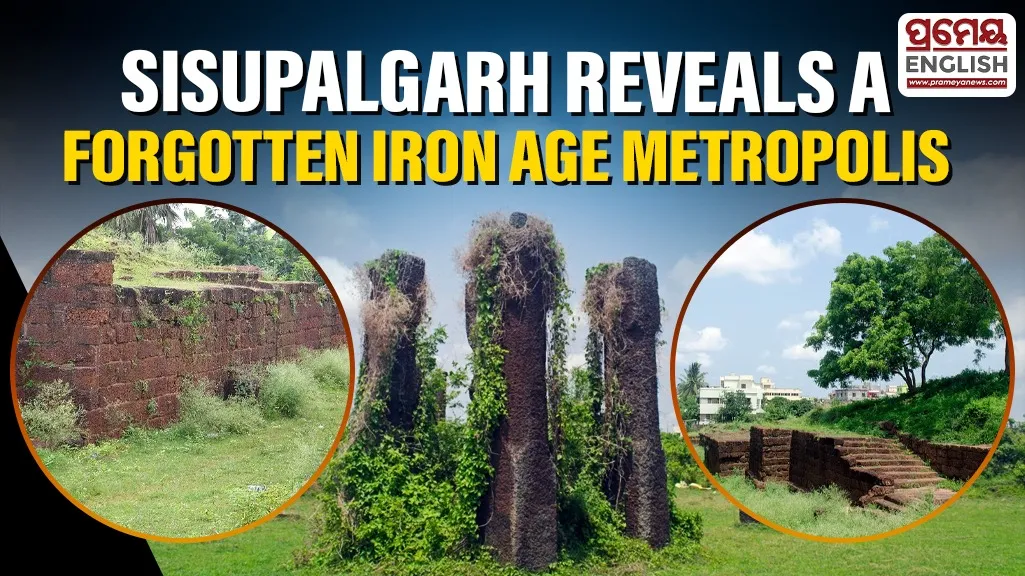
Just four kilometres from Bhubaneswar railway station, a 2,000-year-old fortified settlement called Sisupalgarh lies quietly under expanding modern neighborhoods. This Iron Age city reveals a sophisticated urban tradition far older than the famous medieval temples of Odisha. Before the legendary Kalinga War of 261 BCE changed Emperor Ashoka's heart, communities here were already building complex civic systems and trade networks along the eastern coastline. Today, surviving earthen banks and scattered stone pillars stand in plain sight. Most people pass by these ruins without realising their historical value. The true challenge is not finding this ancient metropolis, but learning how to interpret its buried secrets.
Returning To Early Excavations
Excavations first began here in 1948 under B. B. Lal of the Archaeological Survey of India. His foundational work proved that early residents built impressive ramparts, defined habitation layers, and crafted distinct pottery. Over the following decades, researchers like Rabindra Kumar Mohanty and Monica L. Smith brought new attention to these grounds. Through modern surveys, they proved that this location functioned as a formally planned urban center. Their findings show a society capable of organizing large labor forces and designing monumental gateways and complex civic infrastructure.
Moving Beyond Sacred Architecture
Popular discussions about Odisha history usually focus on religious monuments and imperial conquests. Narratives often jump from ancient battles directly to the brilliant temple architecture of Puri and Konark. Sisupalgarh forces a shift in that perspective. It proves that early regional history involved advanced neighborhood planning, spatial discipline, and economic circulation. Ancient people did not just build sacred spaces; they constructed functioning cities with structured drainage and defensive walls. The fortified boundaries acted as clear markers of civic authority. Gateways controlled daily movement and formalised the relationship between the ruling class and ordinary citizens.
Daily Life and Ancient Trade
Recovered artifacts paint a vivid picture of a bustling economic hub. Archaeologists have found terracotta objects, iron tools, stone beads, and fragmented ornaments scattered across the site. These materials confirm that local artisans ran active manufacturing setups. Furthermore, the presence of non-local goods indicates strong participation in long-distance trade. Merchants likely utilised the Mahanadi river system to connect with broader coastal markets. People lived, cooked, crafted, and traded within these protective walls. This dynamic environment supported families, guards, administrators, and labourers working together in a highly organised, thriving ancient system.
Overcoming Urgent Interpretation Challenges
Unlike fully standing stone temples, buried urban grids demand active interpretation. Without proper guidance, visitors only see broken stones and overgrown, forgotten dirt mounds. Our cultural vocabulary currently favours visual spectacles like kings and rituals, leaving settlement archaeology difficult to explain. This lack of public awareness makes the grounds highly vulnerable to illegal encroachment and rapid urban development. Administrative bodies must bridge the gap between academic knowledge and local memory. Establishing site museums, setting up detailed information panels, and training local guides will transform these quiet ruins into an engaging educational experience.
Building Future Historical Awareness
Modern Bhubaneswar takes pride in its post-Independence urban design. Yet, an entirely different model of intelligent city planning slumbers directly beneath its soil. Recognising this Iron Age metropolis requires moving beyond traditional monument visits. Schools and heritage programs should teach younger generations about ancient waste management, housing structures, and public spaces. Integrating these ruins into standard tourist circuits alongside Dhauli and Khandagiri will completely change how visitors view the region. Instead of simply viewing static monuments, tourists will engage with the lived reality of an ancient civilization. This active approach turns passive observation into genuine historical literacy. Teaching this history properly guarantees that future generations will finally understand the brilliant civic imagination of their ancestors.