
.webp)
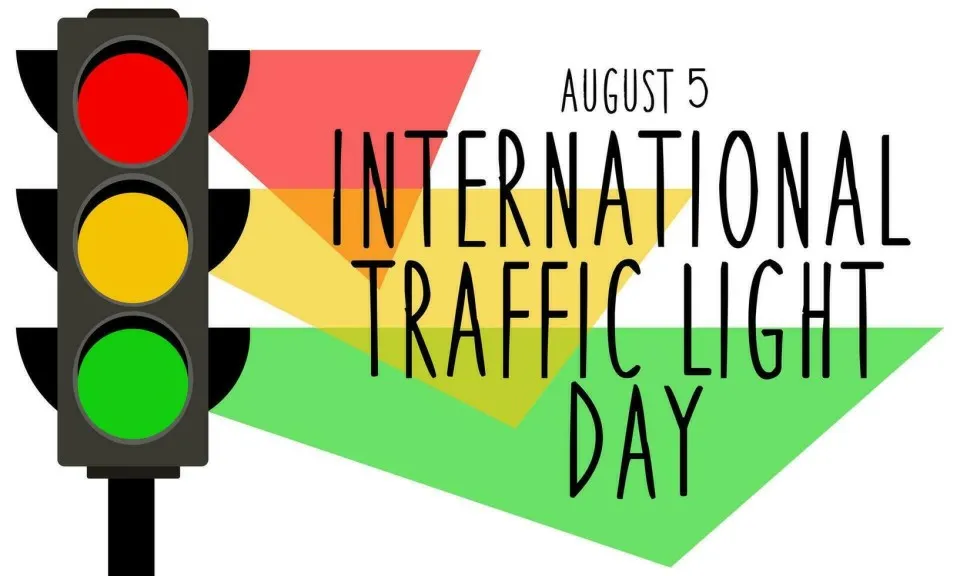
Global drivers mark historic electric signal innovations every August fifth
Global communities celebrate August 5 as International Traffic Light Day to honor automated road safety systems worldwide. This specific date marks the anniversary of the world's first electric traffic light installation in Cleveland, Ohio, back in 1914. Designed by James Hoge with historic contributions from pioneers like Lester Wire, the original system managed traffic at the busy corner of Euclid Avenue and East 105th Street. It operated with red and green lights controlled manually inside a switch booth, using a loud warning buzzer to alert drivers before changing colors.
Early Experiments and Gas Lamp Explosions
Long before electric signals took over, urban authorities tried using gas lamps to direct crowded street traffic. London installed the earliest recorded signal outside the Houses of Parliament in 1868. That early semaphore required a police officer to operate gas-fueled lamps by hand. However, the dangerous device exploded just one month later, injuring the operator and halting signal development for decades. Rapid urban population growth and motor vehicle expansion in the early twentieth century eventually forced global cities to develop safer, automated solutions for chaotic intersections. Modern drivers expect three distinct colors at every urban intersection, but that reliable standard required over half a century of trial and error to perfect. Detroit police officer William Potts added the amber yellow light in 1920. He introduced this crucial transition colour to give drivers clear warning, allowing vehicles to slow down safely between stopping and proceeding.
Physics behind Red Yellow and Green Signals
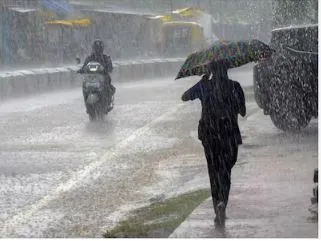
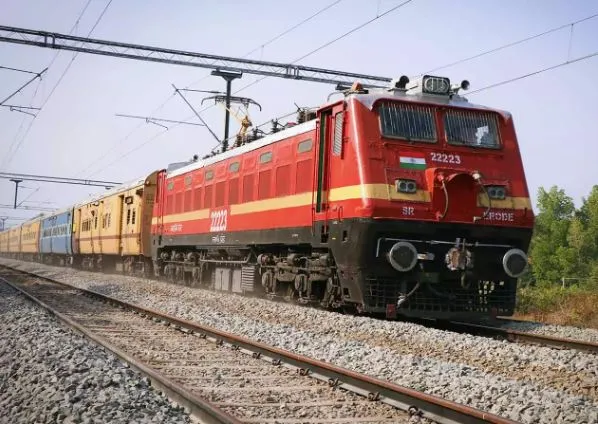
Early traffic engineers adapted their color choices directly from established railroad signaling systems. Red serves as the universal stop signal because it possesses the longest wavelength in the visible color spectrum. This physical property makes red visible across great distances, even during thick fog or pouring rain. Yellow provides high visual contrast for instant caution warnings. Green stands out sharply against red, preventing dangerous misinterpretations when vehicles approach intersections at higher speeds. Automated traffic lights now form the backbone of modern municipal transit infrastructure. From simple manual booths in 1914 to AI-driven signal timing in modern smart cities across India and the world, automated control systems continue to reduce accidents and keep daily transit moving smoothly.
.webp)