


India secures nuclear future as Kalpakkam breeder reactor achieves criticality
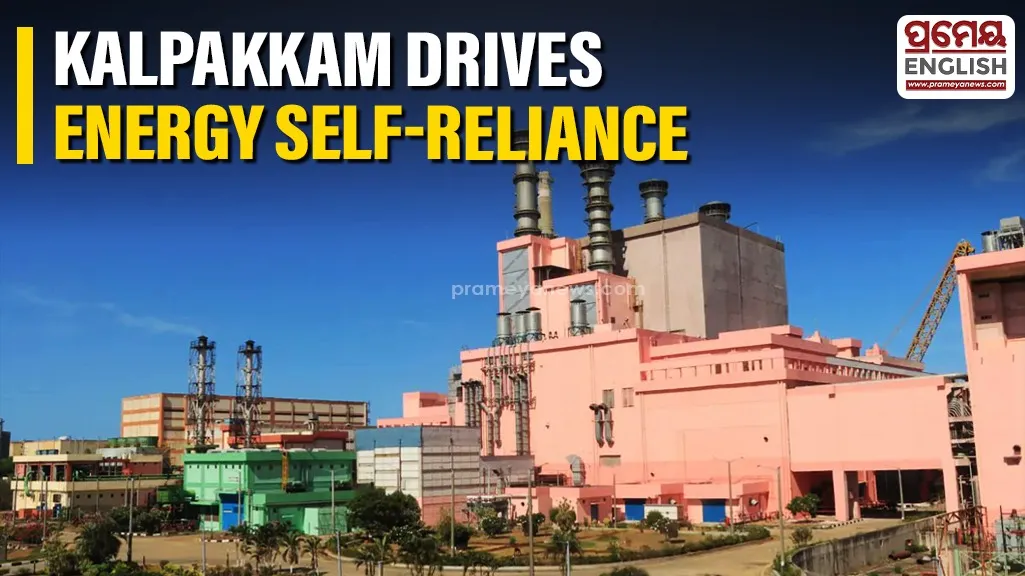
Kalpakkam’s 500 MWe Prototype Fast Breeder Reactor (PFBR) officially attained criticality on April 6, 2026, marking a historic leap in the national nuclear energy roadmap. This technical milestone signifies the start of a controlled, self-sustaining nuclear fission chain reaction within the core. Prime Minister Narendra Modi confirmed the breakthrough, noting that the indigenous facility represents a decisive move toward the second stage of the nation's atomic strategy.
Success at this site places the country in an exclusive group of nations, with Russia being the only other global player operating a commercial-scale fast breeder reactor. Unlike traditional reactors that consume more fuel than they produce, this "breeder" model generates additional plutonium-239 by irradiating a uranium-238 "blanket" surrounding the core. This circular fuel cycle multiplies energy efficiency by nearly 100 times compared to conventional systems.
Historical foresight plays a major role in this achievement, as the project realizes the 1950s vision of Dr. Homi J. Bhabha to bypass limited domestic uranium reserves. By mastering this technology, the nation can eventually tap into its massive thorium deposits - among the world's largest - found along the southern coastal sands. This transition is vital for the "Viksit Bharat 2047" objective, which targets a nuclear capacity of 100 GW.
Operational Safety and Future Roadmap
Engineers utilised liquid sodium as a coolant to manage the high-energy "fast" neutrons. While sodium requires expert handling due to its reactivity, its heat transfer properties remain superior for high-efficiency power generation. The project, managed by BHAVINI, involved collaborations with over 200 Indian industries, including various small and medium enterprises.
Path to Commercial Power
Following this criticality, the plant will undergo low-power physics experiments over several months. These tests ensure the stability of the reactor before it begins feeding electricity into the national grid. Experts anticipate full commercial operations to commence by late 2026 or early 2027. Once operational, the reactor will serve as a permanent bridge to the third stage of the nuclear program, focusing on uranium-233 production from thorium. This long-term strategy aims to provide low-carbon, base-load electricity for centuries, supporting the national commitment to reach net-zero emissions by 2070.