


ଓଡ଼ିଆ | ENGLISH
ଓଡ଼ିଆ | ENGLISH
T20
T20

Master Soft Roti Secrets on Induction Stoves

Learn how to achieve soft, fluffy phulkas using an induction cooktop with the cloth-press method. This guide provides essential tips for households transitioning away from gas due to supply issues.
Published By : Satya Mohapatra | April 6, 2026 10:46 AM
Master Soft Roti Secrets on Induction Stoves

Make soft rotis easily on induction stoves

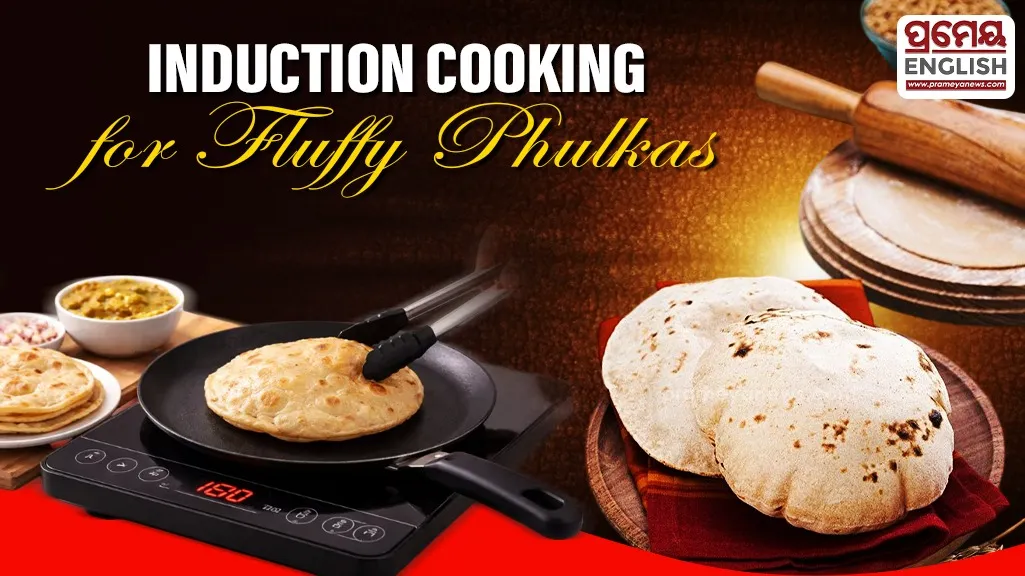
Perfectly puffed phulkas are no longer exclusive to the blue flame of a gas stove. With shifting energy trends and occasional LPG supply disruptions in regions like Odisha, shifting to induction technology is both a smart and economical choice for the modern kitchen. While many home cooks fear that induction heating results in hard, cardboard-like bread, the secret lies in the "cloth-press" technique and precise moisture management.

Mastering the Dough and Heat

Preparation begins with the dough. Incorporating a teaspoon of ghee or a tablespoon of curd into the wheat flour ensures the moisture stays locked within the layers during the rapid heating process of an induction coil. Unlike gas, which provides ambient heat, induction focuses energy directly into the vessel. Therefore, using lukewarm water for kneading is vital to soften the gluten instantly.

Choosing the Right Tawa

Success depends heavily on your hardware. A heavy-bottomed, induction-compatible cast iron tawa is superior to thin non-stick versions because it retains heat more consistently, mimicking a traditional hearth. Set your cooktop to a medium heat setting, typically between 800W and 1000W, to prevent the exterior from charring before the interior steam can build.

The Three-Flip Strategy

Place the rolled dough on a preheated surface. The first flip must occur within 20 seconds, just as tiny bubbles emerge. After the second side develops brown spots, flip it back and use a clean, folded cotton cloth to gently press the edges. This pressure traps steam inside, forcing the roti to balloon beautifully without a direct flame.

Historically, households across Odisha have relied on open-fire 'chulhas' or gas, but as electricity becomes the more stable utility, mastering these electronic techniques ensures food security and kitchen efficiency.